Skip to content

Broward County · 24-hour response Sunday-Friday · Closed Saturday

Water, Mold & Fire Damage Restoration in Wilton Manors, FL

Wilton Manors is a compact island city with a tight-knit community and many older homes. Get practical guidance for leaks, mold concerns and smoke or fire-related water damage. Open 24 hours Sunday through Friday; closed Saturday.

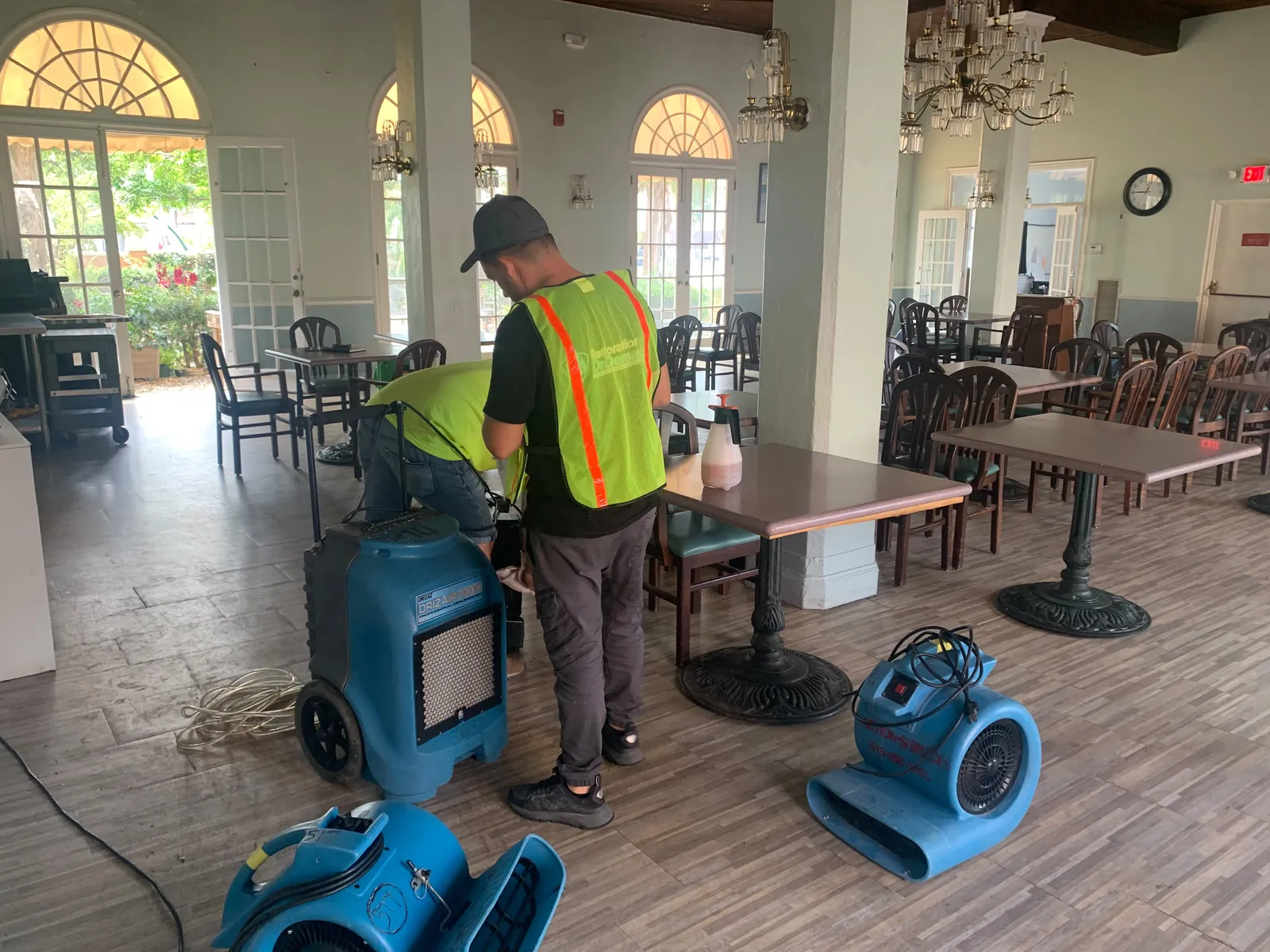
Restoration crew setting drying equipment in a dining space.
Our crew setting up commercial drying equipment in South Florida. Project city has not been confirmed; this is a service example, not a documented Wilton Manors job.

Water damage restoration in Wilton Manors, FL

Low elevation and canals mean flooding after heavy rain, and cottage-style homes may have original pipes behind plaster or older drywall.

Common sources include supply-line or appliance leaks, water heaters, AC condensate, roof openings and storm-related entry. Our crews handle water mitigation, structural drying and flood cleanup for Wilton Manors properties, and document the work for your claim. We work with all insurance companies and offer direct insurance billing. We document the damage with photos and moisture readings so your claim has the records it needs.

Areas we cover in Wilton Manors

Wilton DriveIsland CityMelrose Park

Homeowner guide · Wilton Manors

Everyday leaks and moisture checks for Wilton Manors homes

A small drip can stay hidden in a cabinet or wall until a stain, odor or warped finish appears. These visual checks cover common trouble spots in houses, condos and businesses. They help you notice moisture early; they are not a mold test or a substitute for a professional inspection.

Under kitchen and bathroom sinks

Look at the cabinet floor, back corners and the visible supply lines and drain connections. After using the faucet, check for new droplets or a damp cabinet base. Keep stored items clear long enough to notice a slow leak.

Bathrooms, tubs and laundry

Check around toilet supply connections, the toilet base, tub or shower edges, and accessible washer hoses. Peeling paint or a soft baseboard near a bathroom—or a ceiling mark below an upstairs bath—can be a clue that water is getting where it should not.

Garages and utility areas

Visually inspect accessible water-heater connections, laundry areas, exposed pipes and the wall or ceiling after heavy rain. Do not touch wet electrical equipment or enter standing water if electrical safety is uncertain.

Walls, ceilings and living spaces

Watch for a new or spreading stain, bubbling or peeling paint, swollen trim, lifted flooring, or a persistent musty odor. These signs can indicate moisture, but they do not identify its source or prove that mold is present.

What the EPA says about moisture and mold

  • Moisture is the key: indoor mold can grow when spores land on wet or damp surfaces; controlling moisture is central to prevention.
  • Dry promptly: the EPA recommends drying water-damaged areas and items within 24–48 hours to help prevent mold growth. That is a prevention target, not a guarantee that mold will or will not appear.
  • Fix the source too: cleaning visible growth without correcting the leak or dampness can allow the problem to return.
  • Know when the issue is larger: the EPA says that in many cases a mold area under about 10 square feet can be handled by the occupant, but extensive water damage, larger areas, suspected HVAC contamination or sewage-contaminated water call for additional guidance or experienced help.
  • Keep bathrooms ventilated: for mold that keeps returning in a bathroom, the EPA recommends increasing ventilation and cleaning more frequently to help keep it to a minimum.
Read the EPA’s mold and moisture guide

If you find active water in Wilton Manors

  1. 1. Put safety first. Stay clear of standing water near outlets, appliances or electrical panels. If there is immediate danger, leave the area and call emergency services.
  2. 2. Stop the water only if it is safe. Use an accessible fixture shutoff or contact the property manager or plumber. Do not enter a flooded area to reach a valve.
  3. 3. Record what you can see. Take photos from a safe, dry location and note when you first noticed the leak. In a condo or multi-unit building, notify the property manager because water can travel between units.
  4. 4. Call our office for drying help. Call Restoration On Demand at (954) 716-9268 during service hours. For a small spill from a known clean-water source only, use towels if it is safe. Do not handle sewage or unknown floodwater yourself. A dry-looking floor does not mean the materials underneath are dry. Avoid covering damp materials or painting over stains before the moisture issue is understood.

Local property considerations in Wilton Manors

The local context below is not a diagnosis of any building. Make observations only from a safe, dry location; never enter floodwater or disturb suspected mold to document damage.

Low elevation and canals mean flooding after heavy rain, and cottage-style homes may have original pipes behind plaster or older drywall.

Wilton Manors functions as a compact island city with a distinct community character. The city's geographic layout includes low-lying areas and a reliance on local canals for drainage, which may periodically result in water accumulation following significant rainfall. Homeowners in sectors such as Wilton Drive and Melrose Park might observe that heavy precipitation could lead to conditions where water impacts exterior drainage. It is prudent for residents to maintain awareness of these patterns and monitor their property for signs of standing water that could potentially affect structural integrity or result in prolonged moisture retention after severe weather events.

A notable aspect of the local building landscape is the presence of cottage-style residences. Many of these structures may contain original piping systems which might be situated behind various interior wall materials such as plaster or older drywall. When evaluating potential water damage or addressing leaks, these architectural characteristics should be taken into account. Distinguishing between wall finishes is a practical step, as it helps determine the most appropriate methods for identifying the source of moisture migration and assessing which areas of the structure may require professional attention during the drying process.

Documenting water-related issues in this municipality should prioritize clarity regarding the extent of potential moisture exposure. Because the city is densely developed, it is useful to track how water might migrate from a suspected source point through flooring or into wall voids. If signs of dampness are noted, one might capture images of baseboards and wall sections near utility lines to provide a record of the affected conditions. Such documentation serves as a helpful reference point, assisting professionals in understanding the scope of the impact before structural drying or cleaning activities are initiated in older building stock.

Approaching restoration or repairs in Wilton Manors necessitates an awareness of the city's unique geographic and structural context. If a home has been subjected to a flooding event, ensuring that the interior environment is thoroughly dried is a key measure to prevent moisture-related concerns within hidden gaps behind older interior finishes. Always communicate with your restoration partners about the age and style of your property, as this information is relevant for determining safe ways to access and dry potential moisture traps. Focusing on these details assists in managing the recovery of your home while respecting its architectural features.

This city guide is for general awareness. The visible symptom alone cannot identify a leak source, hidden damage or insurance coverage. Restoration On Demand serves Wilton Drive, Island City, Melrose Park and nearby areas in Broward County.

Service-area reference: Broward County’s official municipality directory. It confirms the municipality and county, not conditions at a specific property.

Moisture & mold guide · Wilton Manors

Mold remediation in Wilton Manors, FL

Mold needs moisture to grow. A slow leak under a sink, a wet bathroom wall, an AC drain problem, roof intrusion or water left after a storm can keep building materials damp. A musty smell or visible growth is a reason to look for moisture; it does not identify a mold type or confirm a health effect.

The useful first step is to find and correct the moisture source. Restoration On Demand’s mold service includes inspection, containment when needed, removal of affected materials, HEPA cleaning and drying. The right scope depends on the materials and extent of the damage.

See our mold remediation service

Fire, smoke & soot · Wilton Manors

Fire damage restoration in Wilton Manors, FL

A fire can leave damage beyond the visibly burned room. The U.S. Fire Administration explains that heat, smoke and water used to extinguish a fire can affect belongings and building materials; soot and dirty water may also contain harmful substances. A fire-damaged property needs a safety check before cleanup begins.

Safety steps after a fire

  1. 1. Wait for clearance. Do not enter until local fire officials say it is safe. Do not turn gas, water or electricity back on yourself.
  2. 2. Keep people and pets away. Damaged floors, walls, wiring and utilities may be unsafe even when they look intact.
  3. 3. Contact your insurer. Ask what to document and what to preserve. Take photos and save related receipts only when authorities allow safe access.
  4. 4. Protect food. The American Red Cross advises discarding food exposed to heat, smoke or soot.

Also in Wilton Manors

Work examples for Wilton Manors property owners

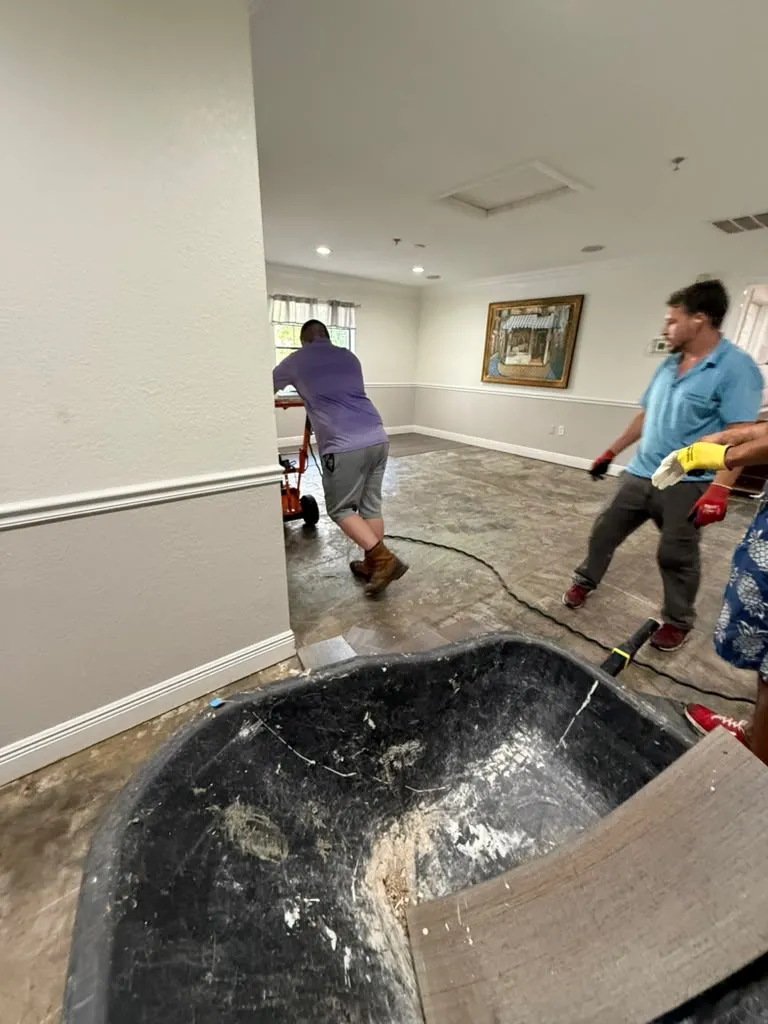
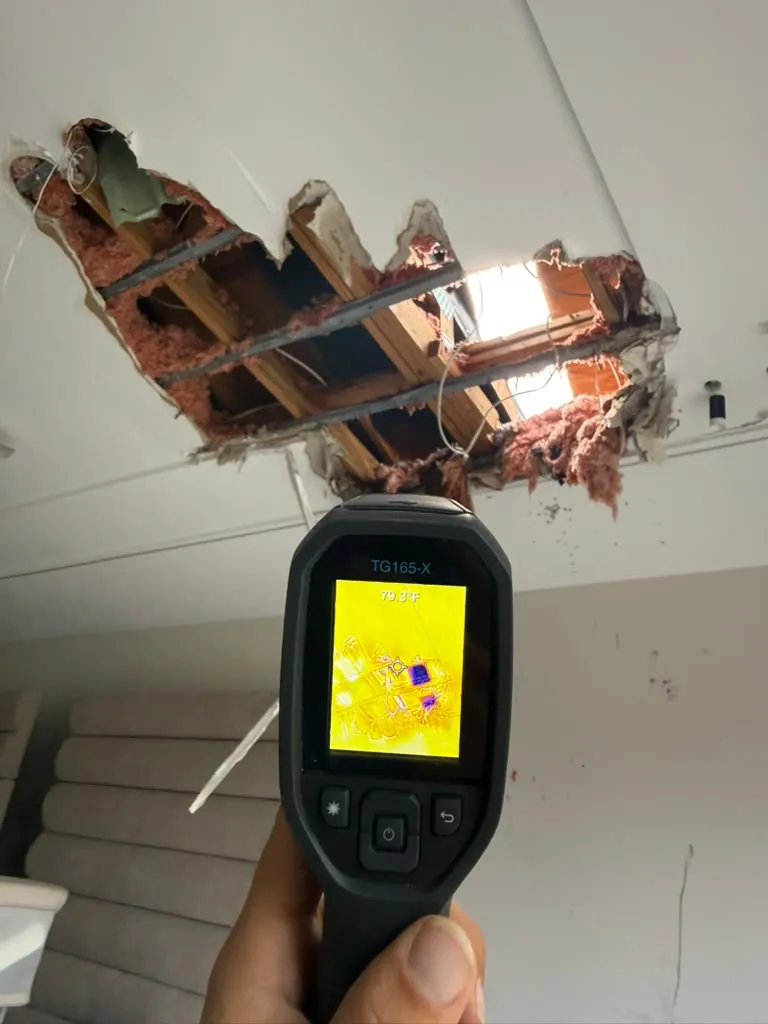
These are real photos from our past-work library. We have not verified their project locations, so they are not presented as jobs completed in Wilton Manors.

Technicians working on floor extraction and cleanup.

Floor extraction in progress · South Florida

Wilton Manors-specific photo slot: awaiting location confirmation. The example above is not location-verified.

Thermal camera pointed toward an opened ceiling during inspection.

Ceiling inspection · South Florida

Wilton Manors-specific photo slot: awaiting location confirmation. The example above is not location-verified.

See our past-work library

Planning interior demolition in Wilton Manors?

Explore kitchen and bathroom tear-outs, flooring removal, selective demolition and the licensed mold-discovery process for your project.

View Wilton Manors demolition services

Google reviews

What our customers say

Reviews are for Restoration On Demand as a whole.

Loading live Google reviews…

Read all reviews on Google

Water, mold or fire damage in Wilton Manors?

Open 24 hours Sunday through Friday; closed Saturday. The EPA recommends drying water-damaged areas and items within 24–48 hours to help prevent mold growth.

Wilton Manors questions

Yes. We provide emergency service 24 hours Sunday through Friday in Wilton Manors and Broward County. We are closed Saturday. Call (954) 716-9268 during service hours.

Yes. We provide mold testing, inspection, mold removal and remediation in Wilton Manors, and we address the moisture source behind it.

Yes. We work with all insurance companies and offer direct insurance billing.

Check below kitchen and bathroom sinks, around toilets and tubs, at water heaters and laundry connections, and on ceilings or baseboards below plumbing. A stain or odor can point to moisture, but it does not by itself confirm mold.

The EPA says water-damaged areas and items should be dried within 24–48 hours to help prevent mold growth. Fixing the moisture source is also important.

The EPA advises consulting its remediation guidance when water damage is extensive, mold covers more than about 10 square feet, HVAC contamination is suspected, or water is sewage-contaminated. Individual conditions can vary.

A professional assessment may be appropriate when growth is extensive, returns after cleaning, involves porous building materials or HVAC, or follows sewage-contaminated water. The EPA notes that many small areas under about 10 square feet can be handled by occupants; correct the moisture source and follow its cleanup guidance.

For active water or wet materials, water removal and structural drying address the damage. If the leak source is hidden, leak detection can help locate it. Visible or recurring mold needs an assessment of both the affected materials and the moisture source.

From a safe location, look for new ceiling or wall stains, water around windows or doors, wet flooring and water in garages or utility areas. Do not enter standing water near electrical equipment; document visible damage and contact the property manager if you live in a multi-unit building.

Do not enter a fire-damaged property until local fire officials say it is safe. Do not turn utilities back on yourself; the U.S. Fire Administration recommends having officials confirm they are safe.

Yes. The U.S. Fire Administration notes that smoke and water used to extinguish a fire can affect items and areas that were not directly burned.

Follow fire officials’ safety instructions, contact your insurer, take photos only when it is safe, and avoid eating food exposed to heat, smoke or soot. Keep children and pets away from the damaged area.

Call the Restoration On Demand office at (954) 716-9268 for water removal and drying help, available 24 hours Sunday–Friday. Stay clear of wet electrical equipment. For a small spill from a known clean-water source only, use towels if safe; do not handle sewage or unknown floodwater yourself. A dry-looking floor does not mean the materials underneath are dry.

Call Restoration On Demand at (954) 716-9268 during service hours. Keep people and pets away, avoid contact with the water, and do not use towels or household fans to spread contamination. Stay clear of wet electrical equipment and notify your property manager if applicable. We can assess contaminated-water removal, affected materials and sanitization.

Call our office at (954) 716-9268 to discuss a free visual mold inspection. A musty smell alone does not confirm mold. Look for accessible leaks without opening walls or disturbing suspected growth. Recurring growth, extensive damage or suspected HVAC contamination needs an assessment of the moisture source and affected materials. Remediation and lab testing are paid services; sampling and verification are coordinated through an independent lab.

If there is active fire, sparking, an electric shock or someone is trapped, leave the affected area and call 911 first. Do not enter standing water or touch wet electrical equipment. Contact Restoration On Demand for cleanup only after emergency responders make the property safe.

Many older cottage-style homes here may have pipes located behind older drywall or plaster, so identifying the wall material is a practical step for professionals to consider before accessing areas for water cleanup or pipe evaluation.

The low elevation and proximity to the local canal system mean that properties can experience water accumulation during heavy rain, which may influence how water drains around your home and foundation.

It is recommended to check for water pooling near your home's foundation and inspect interior walls or baseboards for moisture, as low-lying terrain can contribute to water accumulation near the structure.

General homeowner information is not medical, insurance or building-code advice. For more detail, see the EPA’s mold cleanup guidance.