A small drip can stay hidden in a cabinet or wall until a stain, odor or warped finish appears. These visual checks cover common trouble spots in houses, condos and businesses. They help you notice moisture early; they are not a mold test or a substitute for a professional inspection.
Under kitchen and bathroom sinks
Look at the cabinet floor, back corners and the visible supply lines and drain connections. After using the faucet, check for new droplets or a damp cabinet base. Keep stored items clear long enough to notice a slow leak.
Bathrooms, tubs and laundry
Check around toilet supply connections, the toilet base, tub or shower edges, and accessible washer hoses. Peeling paint or a soft baseboard near a bathroom—or a ceiling mark below an upstairs bath—can be a clue that water is getting where it should not.
Garages and utility areas
Visually inspect accessible water-heater connections, laundry areas, exposed pipes and the wall or ceiling after heavy rain. Do not touch wet electrical equipment or enter standing water if electrical safety is uncertain.
Walls, ceilings and living spaces
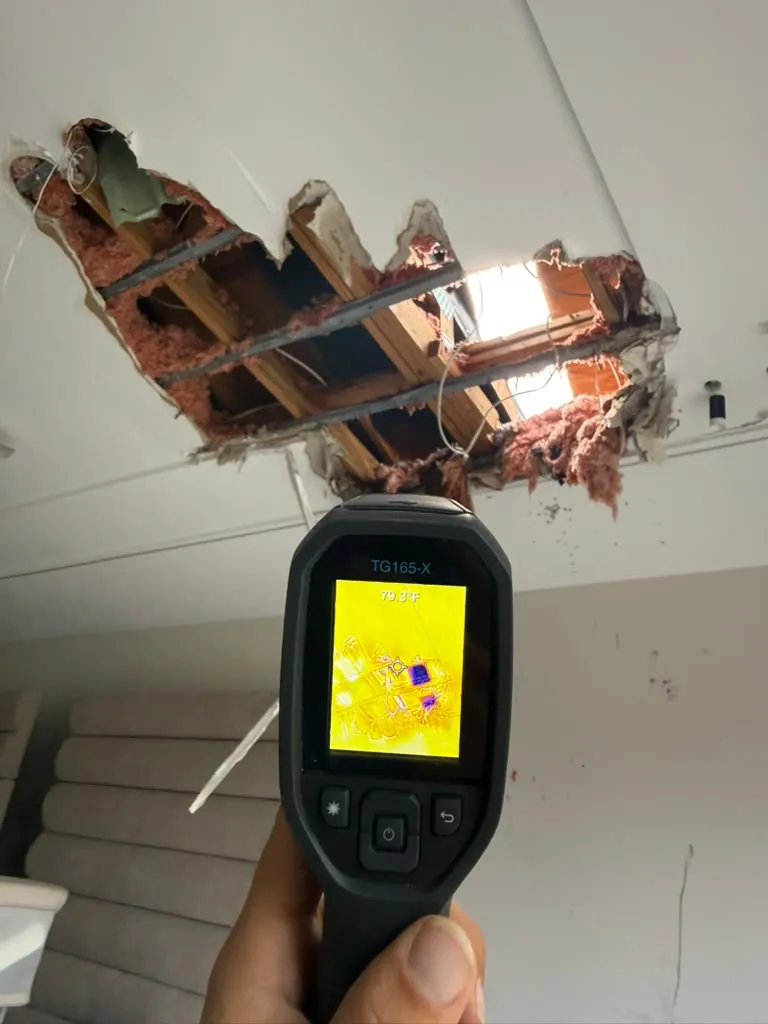
Watch for a new or spreading stain, bubbling or peeling paint, swollen trim, lifted flooring, or a persistent musty odor. These signs can indicate moisture, but they do not identify its source or prove that mold is present.
Local property considerations in Parkland
The local context below is not a diagnosis of any building. Make observations only from a safe, dry location; never enter floodwater or disturb suspected mold to document damage.
Water damage in Parkland can follow a plumbing leak, failed appliance or water heater, AC condensate overflow, roof opening or storm-related entry. Conditions vary by property and building; check the specific source and affected materials rather than assuming the same exposure across the city.
Parkland features many distinct communities, such as Cascata at Miralago and Heron Bay, which are often managed through their respective homeowners' associations. When water damage occurs, understanding your home's unique layout within these communities is important. Whether the incident stems from an appliance failure or a plumbing leak, you must investigate the specific source within your property, as building designs across different communities can vary significantly. Each property requires an individual approach to manage damage effectively.
Begin your recovery by documenting the affected areas thoroughly. In a city characterized by diverse residential communities, having a clear visual record of your property damage is essential. Photograph not just the standing water, but also the potential entry points, such as roof openings or ceiling leaks. This documentation is a powerful tool when assessing the scope of the event and communicating the specific needs of your residence to those helping with the cleanup. A well-documented site helps professionals tailor their restoration strategy.
Safety must come first, especially when water has entered areas with electrical appliances or wiring. Before you begin moving items or attempting to dry the space, ensure the electricity is safely disconnected. Because Parkland's homes vary in construction, each property may have different vulnerabilities. Assess your home's structure carefully to ensure that you are not creating a hazard by moving water-logged materials or attempting to access confined spaces that have been impacted by moisture. Seek professional assistance if you are unsure about the structural safety.
The drying and restoration phase should be managed with precision. If you are dealing with mold resulting from a hidden leak, the strategy for removal will be different than that for a sudden, massive spill. Utilize your knowledge of your home's materials—such as the types of flooring or wall finishes—to guide the restoration team. This tailored approach ensures that your home is treated correctly and that the restoration process addresses the damage without causing unnecessary disruption to your property. Effective interior repair requires organization and patience throughout the recovery journey.
Verified local context
The City’s homeowners’ association directory includes communities such as Cascata at Miralago and Heron Bay. Association names help identify local community context; the directory notes that its contact information may not always be current.
Communities in the City’s HOA directory
- Cascata at Miralago
- Heron Bay
This city guide is for general awareness. The visible symptom alone cannot identify a leak source, hidden damage or insurance coverage. Restoration On Demand serves properties throughout Parkland and nearby areas in Broward County.
Service-area reference: Broward County’s official municipality directory. It confirms the municipality and county, not conditions at a specific property.