A small drip can stay hidden in a cabinet or wall until a stain, odor or warped finish appears. These visual checks cover common trouble spots in houses, condos and businesses. They help you notice moisture early; they are not a mold test or a substitute for a professional inspection.
Under kitchen and bathroom sinks
Look at the cabinet floor, back corners and the visible supply lines and drain connections. After using the faucet, check for new droplets or a damp cabinet base. Keep stored items clear long enough to notice a slow leak.
Bathrooms, tubs and laundry
Check around toilet supply connections, the toilet base, tub or shower edges, and accessible washer hoses. Peeling paint or a soft baseboard near a bathroom—or a ceiling mark below an upstairs bath—can be a clue that water is getting where it should not.
Garages and utility areas
Visually inspect accessible water-heater connections, laundry areas, exposed pipes and the wall or ceiling after heavy rain. Do not touch wet electrical equipment or enter standing water if electrical safety is uncertain.
Walls, ceilings and living spaces
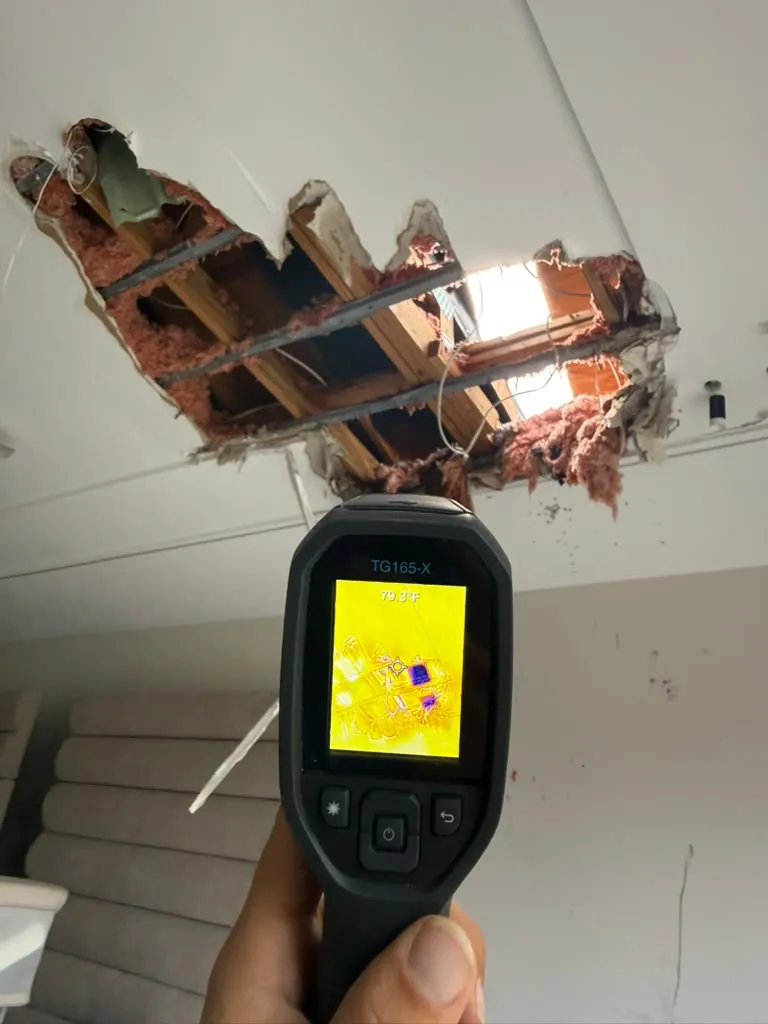
Watch for a new or spreading stain, bubbling or peeling paint, swollen trim, lifted flooring, or a persistent musty odor. These signs can indicate moisture, but they do not identify its source or prove that mold is present.
Local property considerations in South Bay
The local context below is not a diagnosis of any building. Make observations only from a safe, dry location; never enter floodwater or disturb suspected mold to document damage.
Water damage in South Bay can follow a plumbing leak, failed appliance or water heater, AC condensate overflow, roof opening or storm-related entry. Conditions vary by property and building; check the specific source and affected materials rather than assuming the same exposure across the city.
South Bay, established near the North New River Canal, holds a historical place among the Glades Communities, but properties within the area maintain their own individual characteristics regarding water damage risk. Whether damage is caused by a plumbing issue, a malfunctioning water heater, or weather-related events, homeowners should treat the restoration process as specific to their own building's architecture. It is important to look beyond historical context and perform a direct assessment of the materials involved, ensuring that any moisture source is identified and isolated immediately.
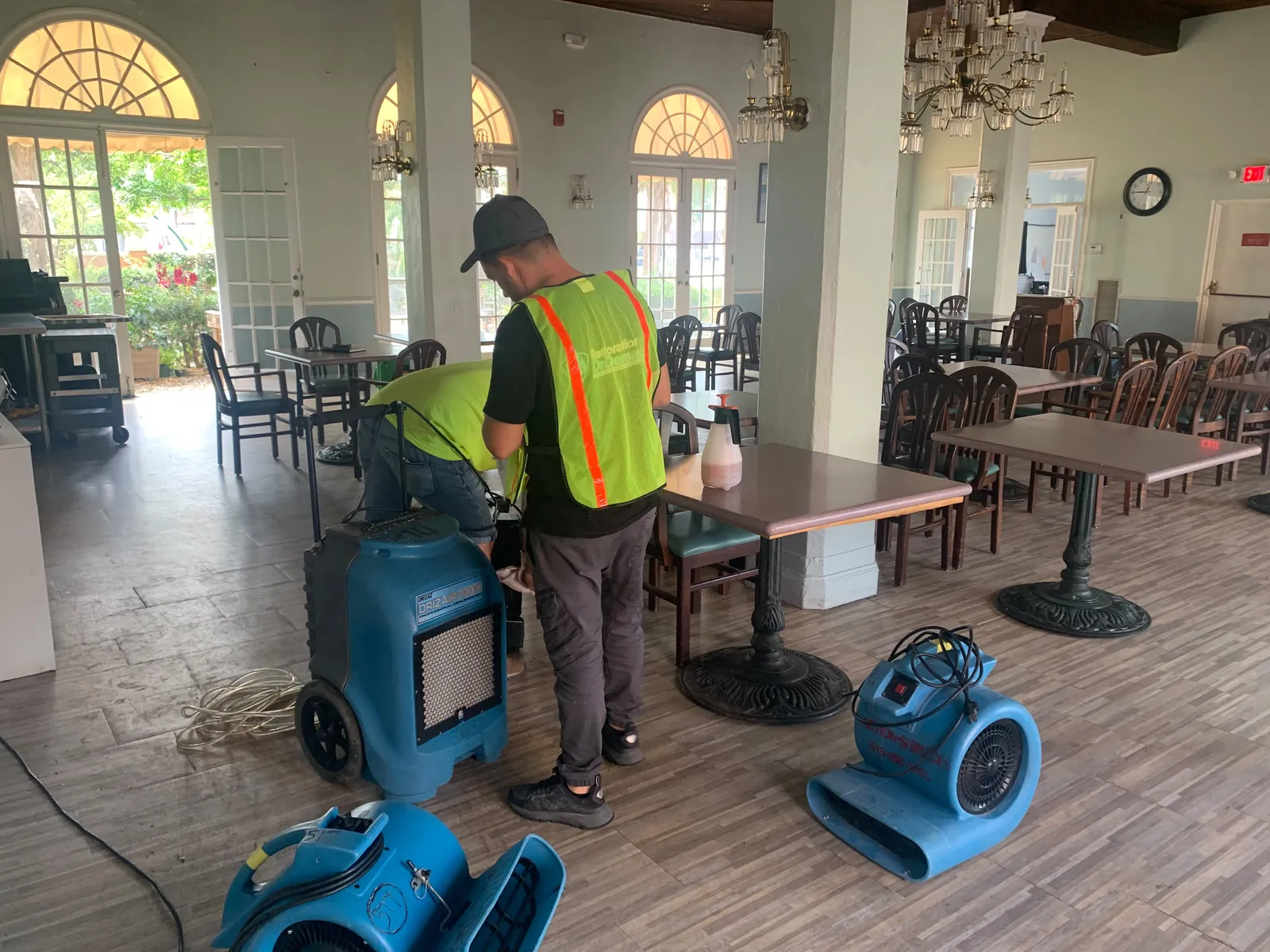
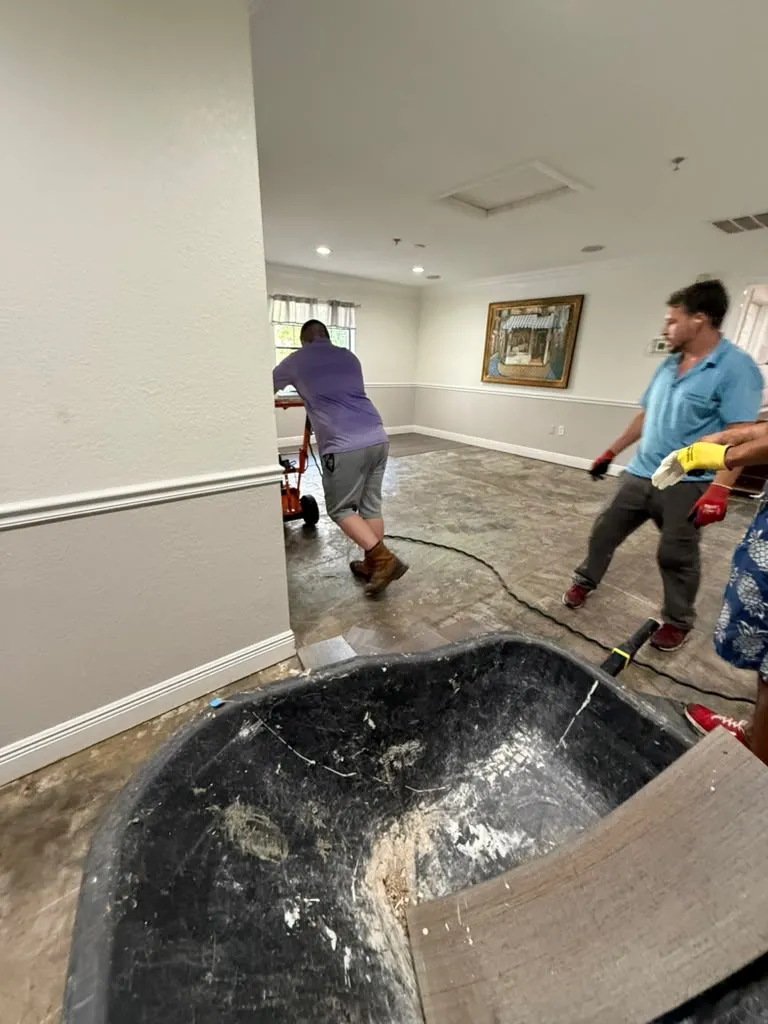
Documentation of a water or smoke event in South Bay is a critical step in facilitating efficient restoration. When damage occurs, documenting the timeline and the extent of the visible water provides a clear roadmap for the cleanup team. Because each property has its own history and layout, documenting where moisture has traveled through floors and wall cavities helps the technicians determine the necessary drying strategy. This is not just about cleaning up the surface but about ensuring the underlying structural components are adequately dried to prevent long-term complications.
Safety and documentation should guide your actions during the initial response to any restoration event in South Bay. Ensure that the property is safe to enter and that all damaged areas are well-documented with photos and notes. If water has penetrated common areas or private living spaces, keep a detailed inventory of items that were in contact with the water. This information is key for prioritizing the removal of damaged goods and for guiding the subsequent structural drying, which must be tailored to the specific humidity and temperature levels of the site.
interior repair in South Bay should always follow a thorough assessment of the property's unique structural needs. Restoration On Demand relies on these specific data points to guide the cleanup and drying phases. By avoiding a one-size-fits-all approach and instead focusing on the moisture levels in the specific building materials, homeowners can achieve a more stable and effective repair process. This methodology ensures that the restoration not only addresses the immediate damage but also considers the long-term health and stability of the home or business location.
Verified local context
The Historical Society of Palm Beach County records that South Bay’s settlement began near the North New River Canal and later developed alongside Pahokee and Belle Glade as one of the Glades Communities. This is local historical context, not a parcel-specific property assessment.
Source: Historical Society of Palm Beach County — South BayThis city guide is for general awareness. The visible symptom alone cannot identify a leak source, hidden damage or insurance coverage. Restoration On Demand serves properties throughout South Bay and nearby areas in Palm Beach County.
Service-area reference: Palm Beach County’s official municipality directory. It confirms the municipality and county, not conditions at a specific property.