A small drip can stay hidden in a cabinet or wall until a stain, odor or warped finish appears. These visual checks cover common trouble spots in houses, condos and businesses. They help you notice moisture early; they are not a mold test or a substitute for a professional inspection.
Under kitchen and bathroom sinks
Look at the cabinet floor, back corners and the visible supply lines and drain connections. After using the faucet, check for new droplets or a damp cabinet base. Keep stored items clear long enough to notice a slow leak.
Bathrooms, tubs and laundry
Check around toilet supply connections, the toilet base, tub or shower edges, and accessible washer hoses. Peeling paint or a soft baseboard near a bathroom—or a ceiling mark below an upstairs bath—can be a clue that water is getting where it should not.
Garages and utility areas
Visually inspect accessible water-heater connections, laundry areas, exposed pipes and the wall or ceiling after heavy rain. Do not touch wet electrical equipment or enter standing water if electrical safety is uncertain.
Walls, ceilings and living spaces
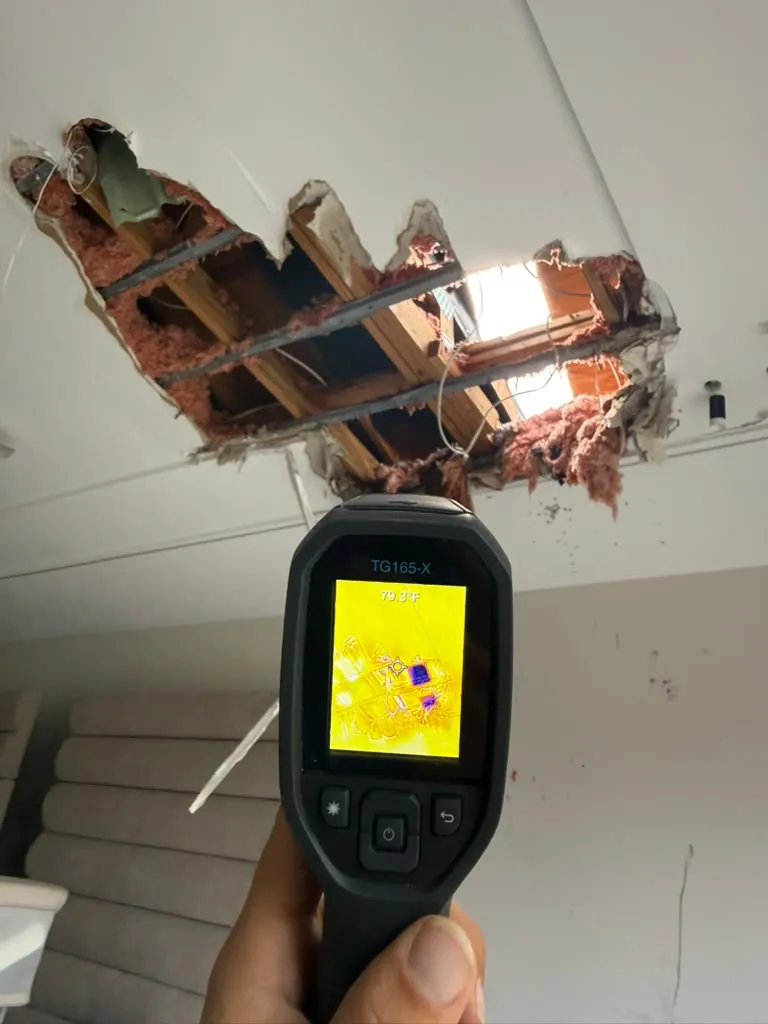
Watch for a new or spreading stain, bubbling or peeling paint, swollen trim, lifted flooring, or a persistent musty odor. These signs can indicate moisture, but they do not identify its source or prove that mold is present.
Local property considerations in Oakland Park
The local context below is not a diagnosis of any building. Make observations only from a safe, dry location; never enter floodwater or disturb suspected mold to document damage.
Older homes with original piping and low ground elevation mean both leaks and street-level flooding show up here.
Oakland Park blends older single-family blocks with newer redevelopment, creating a diverse set of property maintenance requirements. In neighborhoods like Floranada and along the Oakland Park Boulevard corridor, many homes feature older piping and low ground elevation. These two factors combine to make both internal leaks and street-level water entry possible occurrences. Homeowners should be aware that the age of the plumbing is a recurring observation, and that the low elevation makes the building envelope particularly susceptible during periods of heavy rain, which is frequent in the region.
Documentation of a water-related event in Oakland Park should always start with a clear identification of the source, especially in older structures where original piping may be hidden behind walls or beneath slabs. Homeowners should photograph signs of water wicking, discolored drywall, or damp baseboards immediately. This evidence is useful for the professional cleanup team to determine whether the issue is a single pipe failure or evidence of a failing plumbing system throughout the property. Providing this context upfront helps the crew select the correct extraction tools for the home's specific configuration.
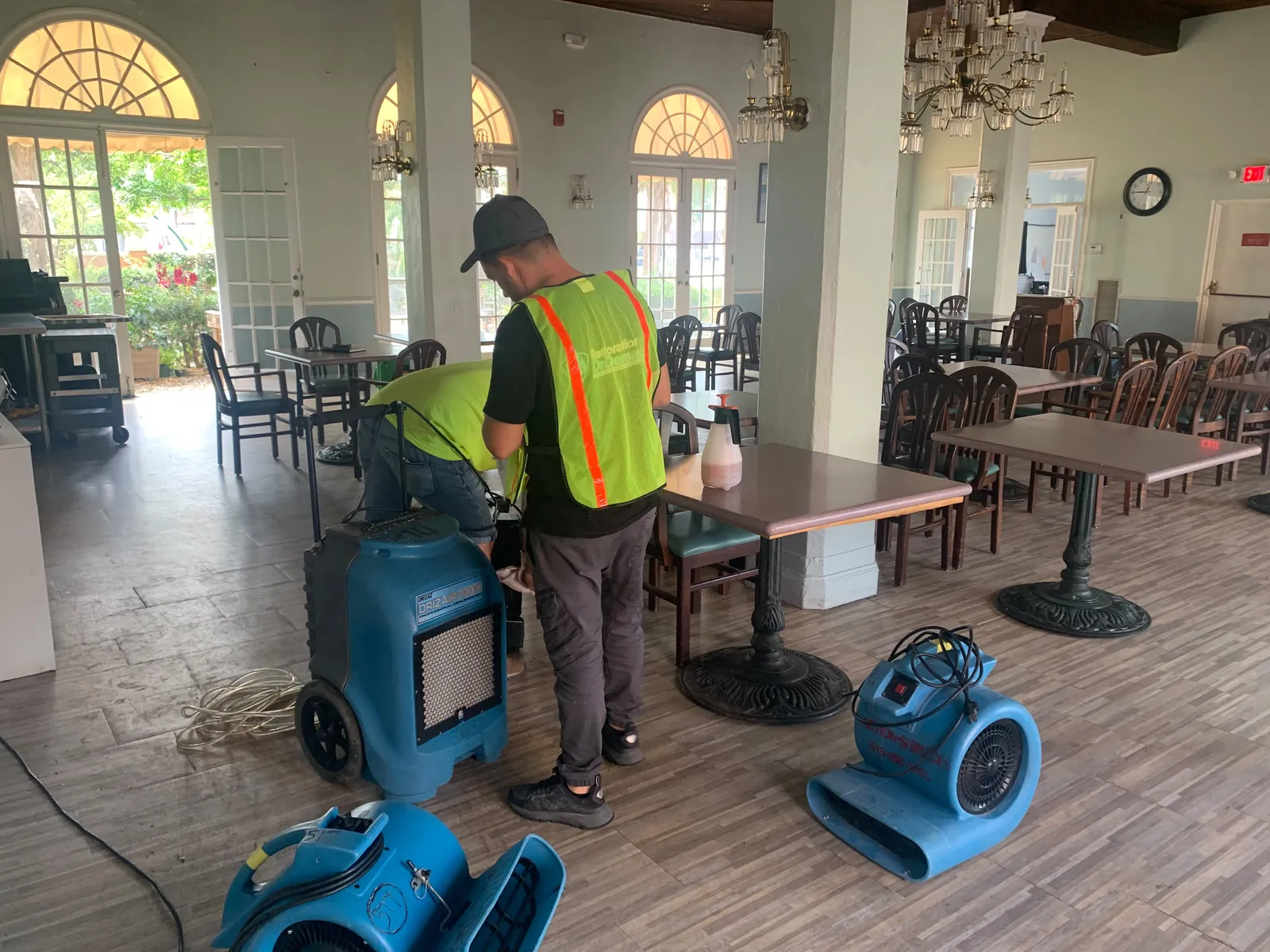
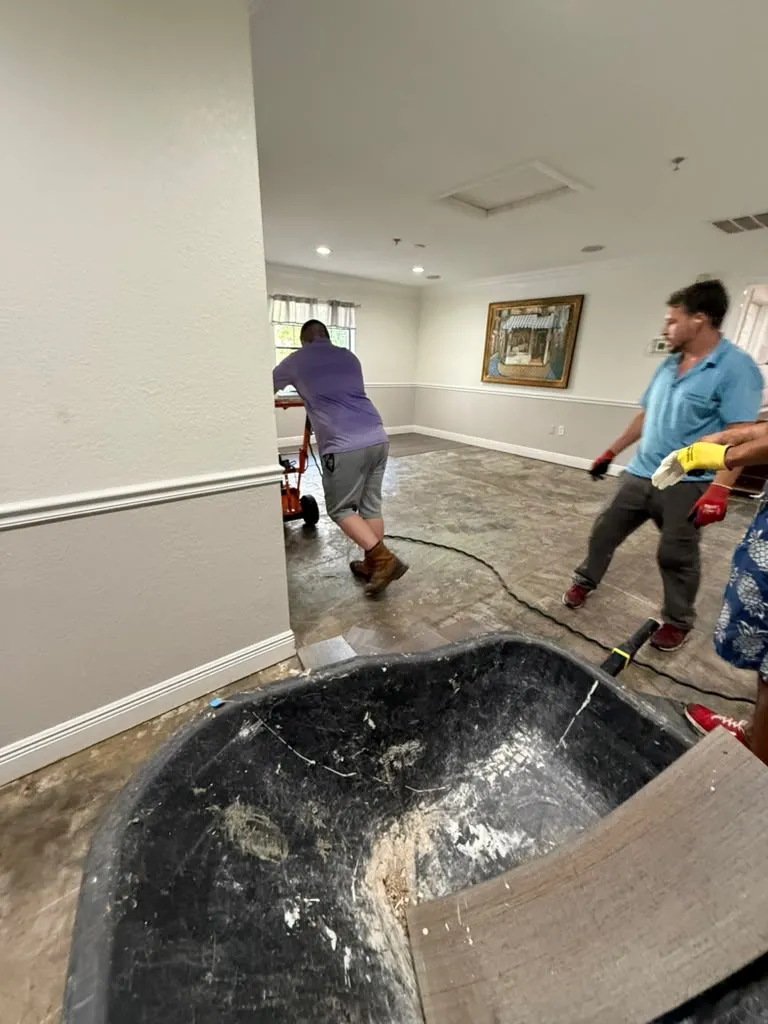
When dealing with street-level water entry in the Andrews Avenue area, the focus must shift to exterior mitigation and interior sanitization. If water has entered the home from the street, the cleanup should account for potential contaminants in the floodwater. The goal is to perform structural drying that restores the home to a safe condition while preventing issues common to aging, low-lying structures. This includes removing flooring and wall materials that have been compromised by the water to prevent dampness in the often-humid environment of the area.
Structural drying and interior repair in Oakland Park must be handled with sensitivity to the architectural history of the buildings. Since many homes are older, they may lack the modern moisture-resistant materials found in newer developments. During the cleanup process, it is important to verify that the drying equipment is placed to maximize airflow in enclosed or crawl spaces. By being proactive and detailing the history of the home, homeowners can work effectively with restoration professionals to address both the immediate leak and any underlying structural vulnerabilities inherent to the neighborhood's older housing stock.
This city guide is for general awareness. The visible symptom alone cannot identify a leak source, hidden damage or insurance coverage. Restoration On Demand serves Floranada, Oakland Park Boulevard corridor, Andrews Avenue area and nearby areas in Broward County.
Service-area reference: Broward County’s official municipality directory. It confirms the municipality and county, not conditions at a specific property.