A small drip can stay hidden in a cabinet or wall until a stain, odor or warped finish appears. These visual checks cover common trouble spots in houses, condos and businesses. They help you notice moisture early; they are not a mold test or a substitute for a professional inspection.
Under kitchen and bathroom sinks
Look at the cabinet floor, back corners and the visible supply lines and drain connections. After using the faucet, check for new droplets or a damp cabinet base. Keep stored items clear long enough to notice a slow leak.
Bathrooms, tubs and laundry
Check around toilet supply connections, the toilet base, tub or shower edges, and accessible washer hoses. Peeling paint or a soft baseboard near a bathroom—or a ceiling mark below an upstairs bath—can be a clue that water is getting where it should not.
Garages and utility areas
Visually inspect accessible water-heater connections, laundry areas, exposed pipes and the wall or ceiling after heavy rain. Do not touch wet electrical equipment or enter standing water if electrical safety is uncertain.
Walls, ceilings and living spaces
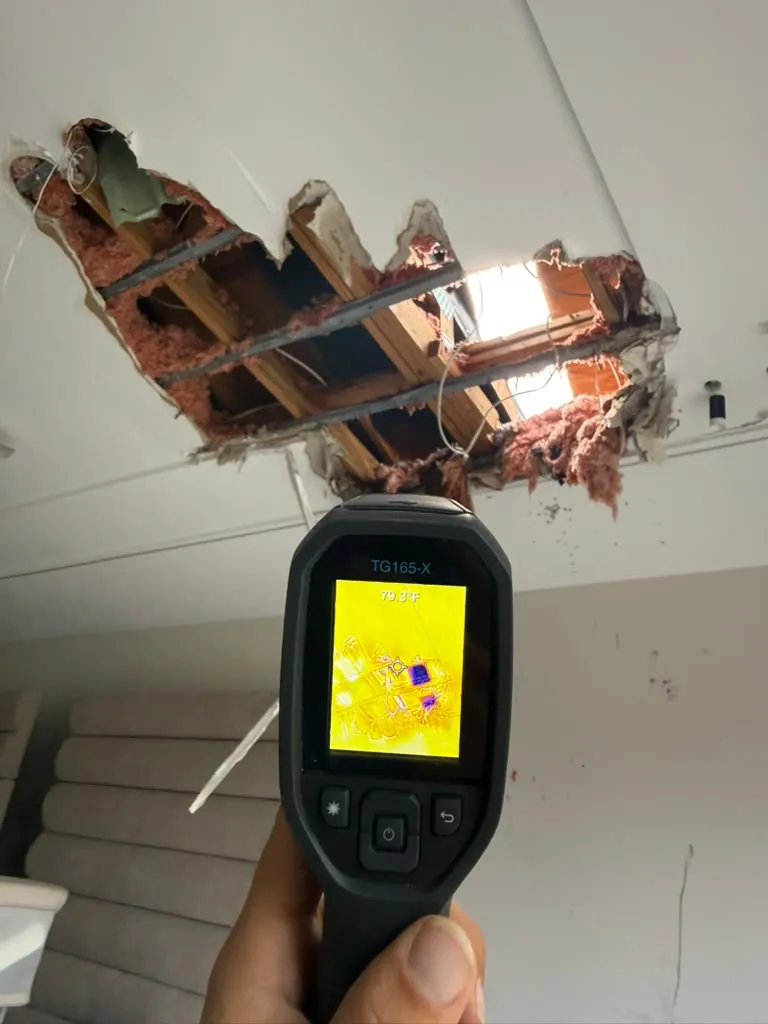
Watch for a new or spreading stain, bubbling or peeling paint, swollen trim, lifted flooring, or a persistent musty odor. These signs can indicate moisture, but they do not identify its source or prove that mold is present.
Local property considerations in Lazy Lake
The local context below is not a diagnosis of any building. Make observations only from a safe, dry location; never enter floodwater or disturb suspected mold to document damage.
Water damage in Lazy Lake can follow a plumbing leak, failed appliance or water heater, AC condensate overflow, roof opening or storm-related entry. Conditions vary by property and building; check the specific source and affected materials rather than assuming the same exposure across the city.
Lazy Lake is a unique village, often noted for its singular street, Lazy Lane, and its history centered around a former quarry pit. While this community history is interesting, it is not a property-condition or flood assessment for any building. When property owners in Lazy Lake experience water damage, it is crucial to focus on the immediate facts of the incident—such as the status of the plumbing, the integrity of appliances, or potential roof openings—rather than relying on general village history to explain the situation or the risks involved.
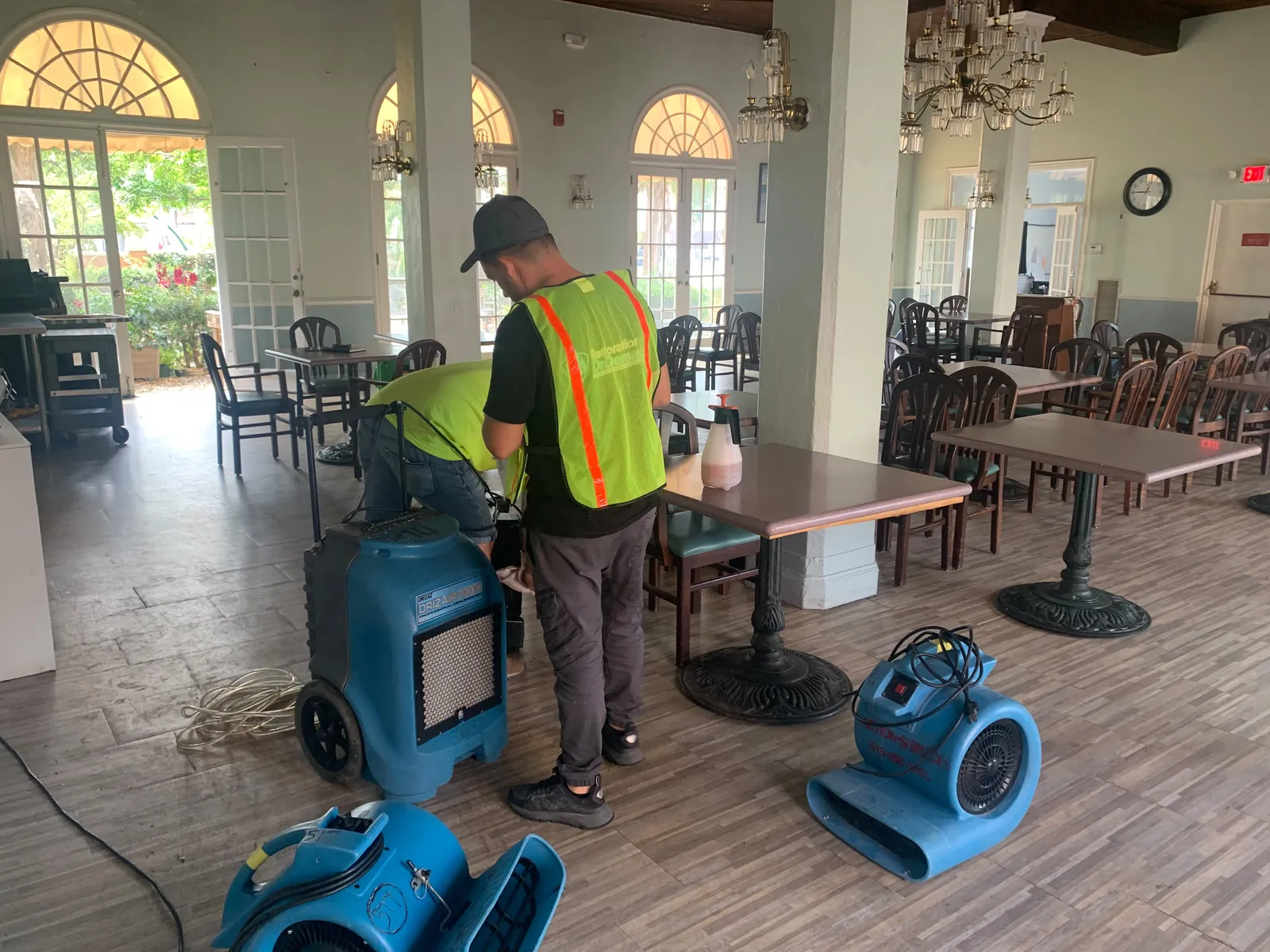
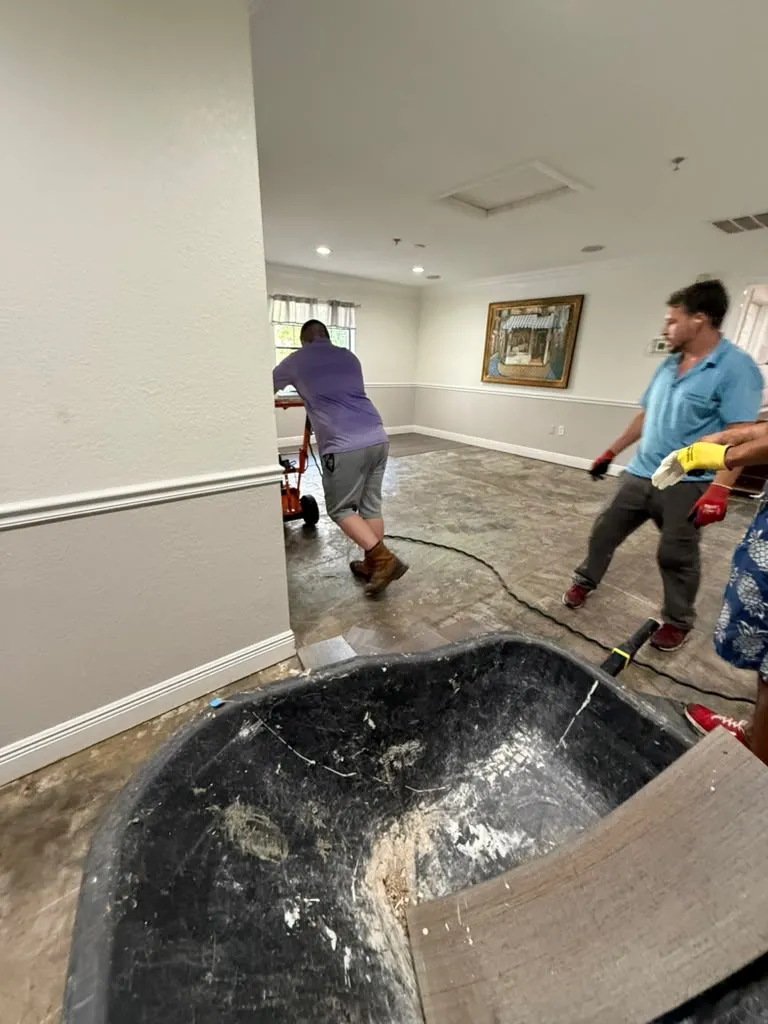
Restoration efforts in Lazy Lake should be guided by a thorough inspection of the property itself. Water damage can result from numerous sources, including potential plumbing failures, AC condensate overflows, or weather-related entries, and the impact on the structure depends entirely on the building's specific materials and maintenance. Effective drying requires a response tailored to these individual conditions. Documentation of all findings is essential; by recording exactly where the water was found and what materials were saturated from a safe, dry location, owners can ensure that the subsequent cleaning and interior repair efforts are comprehensive and appropriately prioritized.
Preventing long-term damage in a water-affected home requires timely intervention and consistent environmental control. In Lazy Lake, homeowners should prioritize securing the property and ensuring that drying equipment is used correctly for the specific layout and construction of their home. Avoid making assumptions about your property's vulnerability based on the village's small size or history. Instead, maintain clear records of the cleanup process to ensure that all areas of concern are monitored and addressed throughout the restoration and eventual interior repair phases.
Navigating the restoration process in Lazy Lake successfully means relying on property-specific data rather than neighborhood-wide generalizations. By focusing on identifying the exact source of damage and keeping detailed documentation of the cleanup and drying progress, you can effectively manage the repair of your home. Always ensure that the restoration plan is based on an inspection of the actual physical materials affected by the event. This detailed and fact-oriented approach will help ensure that the cleaning and interior repair are executed correctly, protecting your investment for the long term.
Verified local context
Visit Lauderdale’s local history describes Lazy Lane as the Village’s only street and says its namesake lake formed in a former quarry pit. This is general community history, not a flood or property-condition assessment.
Street named in the local history
This city guide is for general awareness. The visible symptom alone cannot identify a leak source, hidden damage or insurance coverage. Restoration On Demand serves properties throughout Lazy Lake and nearby areas in Broward County.
Service-area reference: Broward County’s official municipality directory. It confirms the municipality and county, not conditions at a specific property.