A small drip can stay hidden in a cabinet or wall until a stain, odor or warped finish appears. These visual checks cover common trouble spots in houses, condos and businesses. They help you notice moisture early; they are not a mold test or a substitute for a professional inspection.
Under kitchen and bathroom sinks
Look at the cabinet floor, back corners and the visible supply lines and drain connections. After using the faucet, check for new droplets or a damp cabinet base. Keep stored items clear long enough to notice a slow leak.
Bathrooms, tubs and laundry
Check around toilet supply connections, the toilet base, tub or shower edges, and accessible washer hoses. Peeling paint or a soft baseboard near a bathroom—or a ceiling mark below an upstairs bath—can be a clue that water is getting where it should not.
Garages and utility areas
Visually inspect accessible water-heater connections, laundry areas, exposed pipes and the wall or ceiling after heavy rain. Do not touch wet electrical equipment or enter standing water if electrical safety is uncertain.
Walls, ceilings and living spaces
Watch for a new or spreading stain, bubbling or peeling paint, swollen trim, lifted flooring, or a persistent musty odor. These signs can indicate moisture, but they do not identify its source or prove that mold is present.
Local property considerations in Pembroke Park
The local context below is not a diagnosis of any building. Make observations only from a safe, dry location; never enter floodwater or disturb suspected mold to document damage.
Water damage in Pembroke Park can follow a plumbing leak, failed appliance or water heater, AC condensate overflow, roof opening or storm-related entry. Conditions vary by property and building; check the specific source and affected materials rather than assuming the same exposure across the city.
The Town of Pembroke Park has a history that includes nurseries, quarries, and various residential developments. This historical context is a reminder of the area's evolution but does not change the physical requirements for property restoration today. When water damage occurs, the focus must be on the reality of your current property—specifically its construction, plumbing, and vulnerability to leaks or storm damage—rather than historical land use. Each home requires a customized assessment to ensure proper drying and restoration.
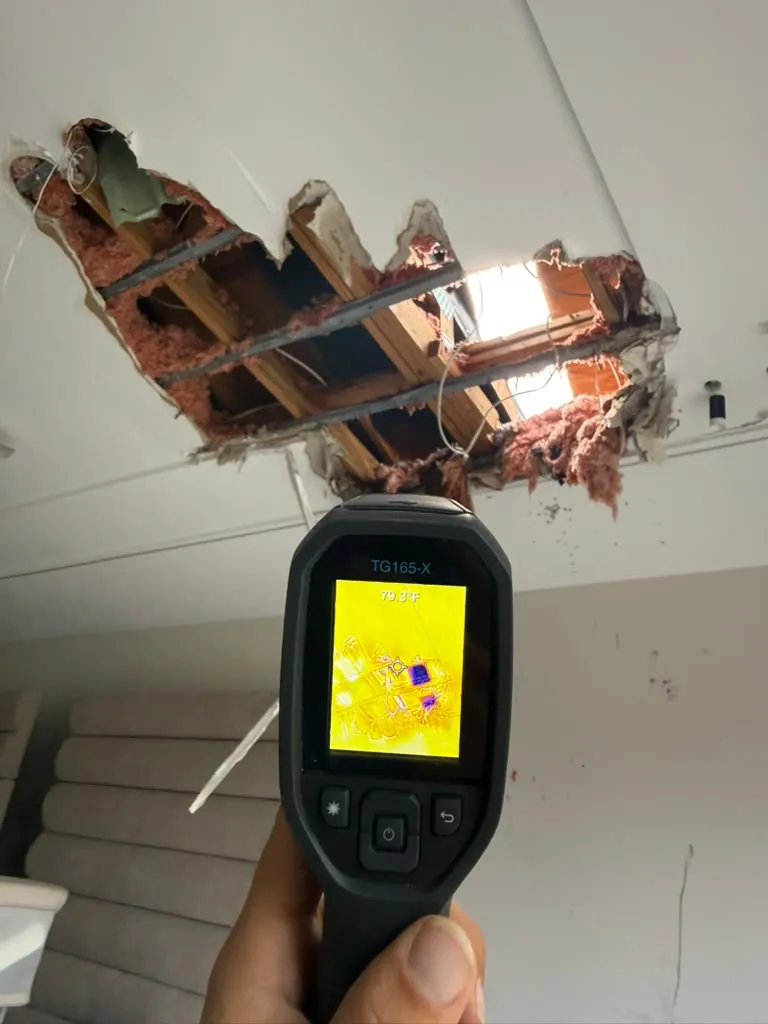
Start by identifying the immediate source of the water. Whether it is an AC condensate overflow or a roof issue, pinpointing the origin is the first step in effective cleanup. Document the incident by taking photos of all affected areas, especially where water may have traveled behind walls or under flooring. Because building styles in Pembroke Park vary, do not assume that a solution used in one home will be identical to what is needed for yours. A factual record is essential for planning.
Safety is critical, particularly when dealing with water in areas with electricity. Always ensure your environment is safe before performing any cleanup. If you are uncertain about the structural integrity of your home after a major water event, reach out to professionals who can help you safely access and assess the damage. Proper safety precautions prevent secondary accidents during what is already a stressful situation, allowing you to focus on the restoration of your property. Professional help ensures that structural drying is handled safely.
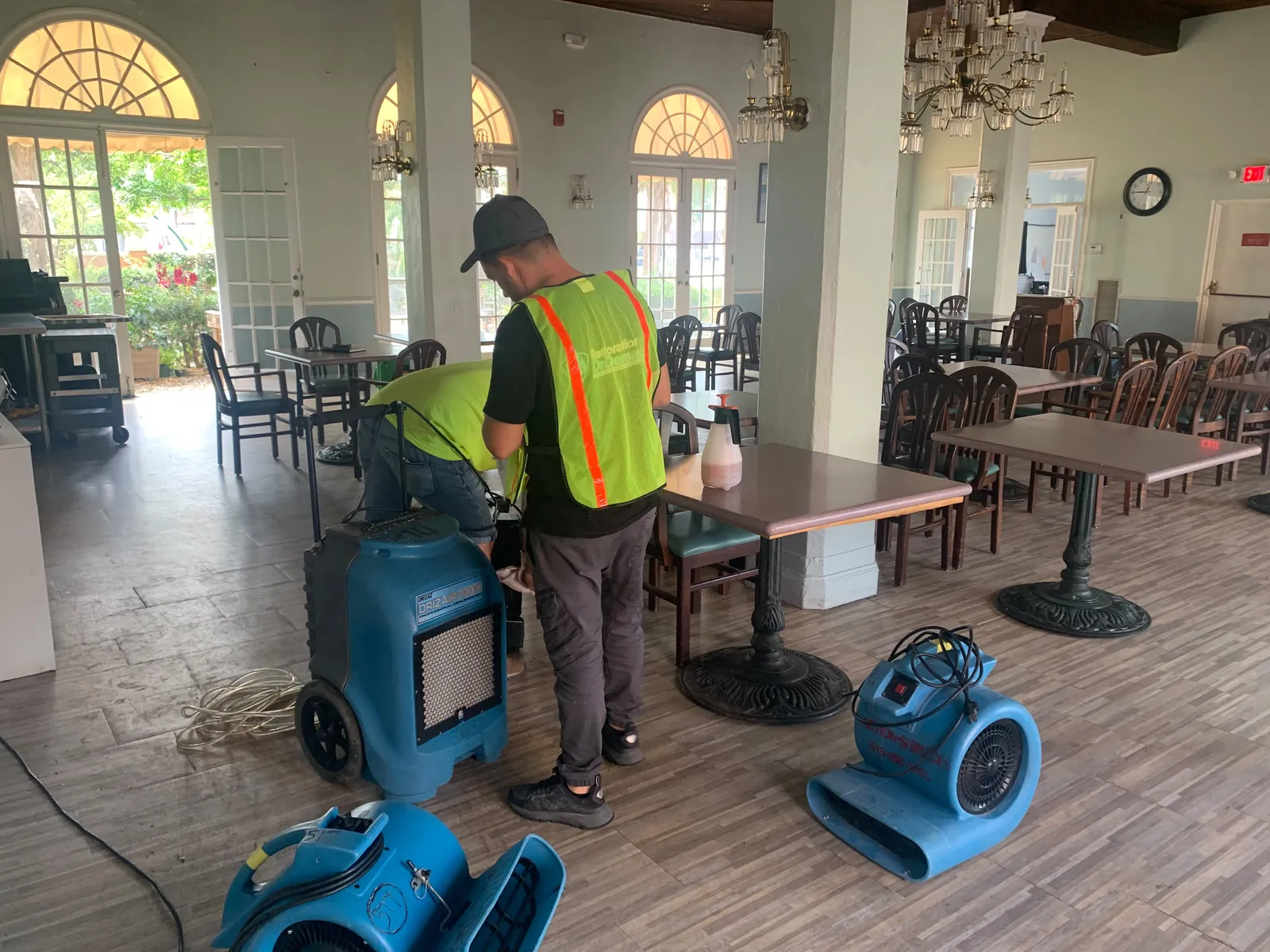
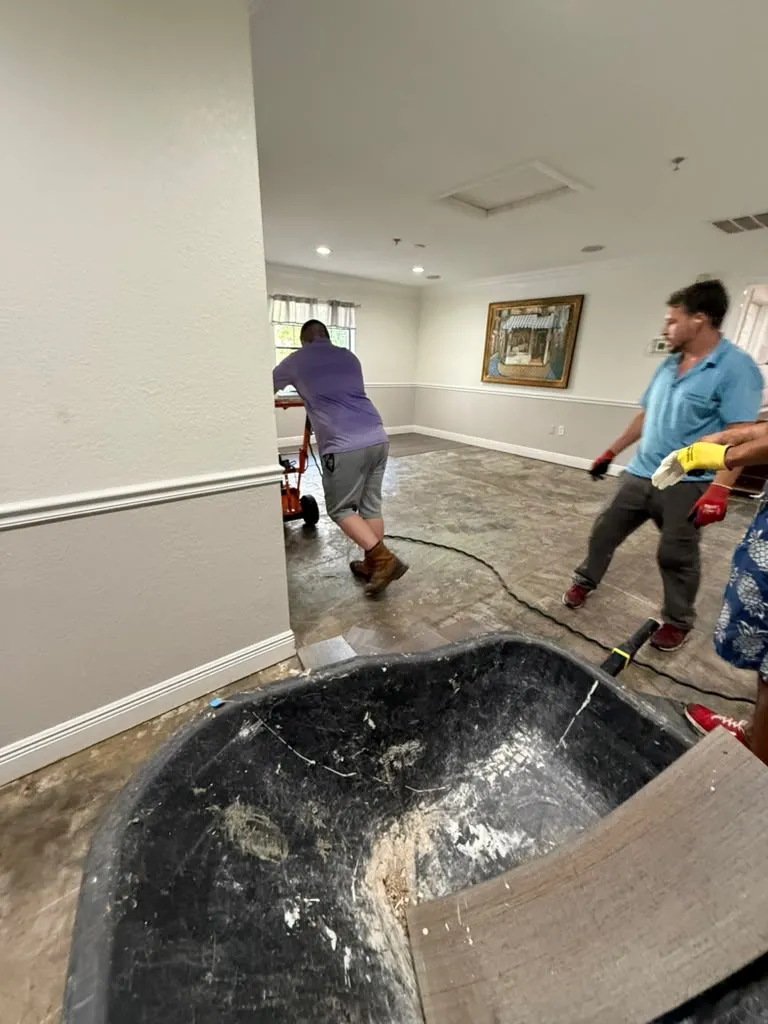
Structural drying and mold prevention are key to maintaining your home's value. Once the water is stopped, the goal is to remove moisture from your walls, floors, and ceilings using professional-grade equipment. The method of drying will depend on the specific materials in your home. By being informed about your property's construction, you can better monitor the restoration process and ensure that the team working on your home is using the correct techniques for your specific needs. Keep an ongoing record of the cleanup timeline to stay organized throughout the process.
Verified local context
The Town’s historical overview says the area included nurseries, quarries, and mobile home parks. This is historical context and does not describe current land use or the condition of present-day properties.
Source: Town of Pembroke Park — Our TownThis city guide is for general awareness. The visible symptom alone cannot identify a leak source, hidden damage or insurance coverage. Restoration On Demand serves properties throughout Pembroke Park and nearby areas in Broward County.
Service-area reference: Broward County’s official municipality directory. It confirms the municipality and county, not conditions at a specific property.