A small drip can stay hidden in a cabinet or wall until a stain, odor or warped finish appears. These visual checks cover common trouble spots in houses, condos and businesses. They help you notice moisture early; they are not a mold test or a substitute for a professional inspection.
Under kitchen and bathroom sinks
Look at the cabinet floor, back corners and the visible supply lines and drain connections. After using the faucet, check for new droplets or a damp cabinet base. Keep stored items clear long enough to notice a slow leak.
Bathrooms, tubs and laundry
Check around toilet supply connections, the toilet base, tub or shower edges, and accessible washer hoses. Peeling paint or a soft baseboard near a bathroom—or a ceiling mark below an upstairs bath—can be a clue that water is getting where it should not.
Garages and utility areas
Visually inspect accessible water-heater connections, laundry areas, exposed pipes and the wall or ceiling after heavy rain. Do not touch wet electrical equipment or enter standing water if electrical safety is uncertain.
Walls, ceilings and living spaces
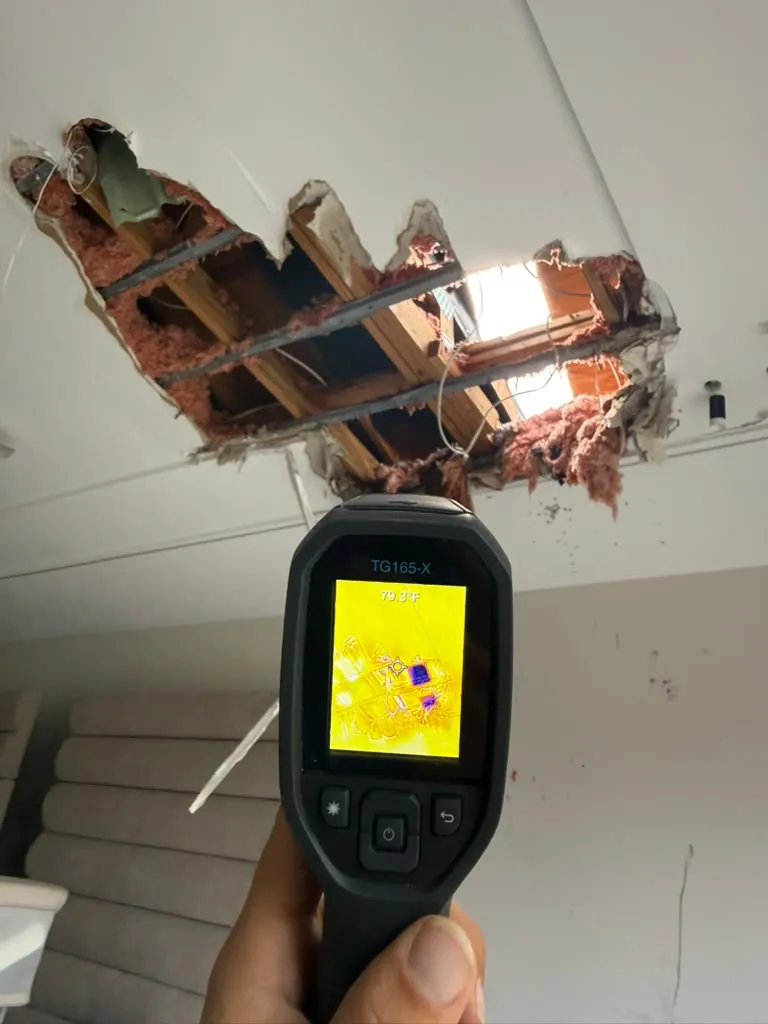
Watch for a new or spreading stain, bubbling or peeling paint, swollen trim, lifted flooring, or a persistent musty odor. These signs can indicate moisture, but they do not identify its source or prove that mold is present.
Local property considerations in Surfside
The local context below is not a diagnosis of any building. Make observations only from a safe, dry location; never enter floodwater or disturb suspected mold to document damage.
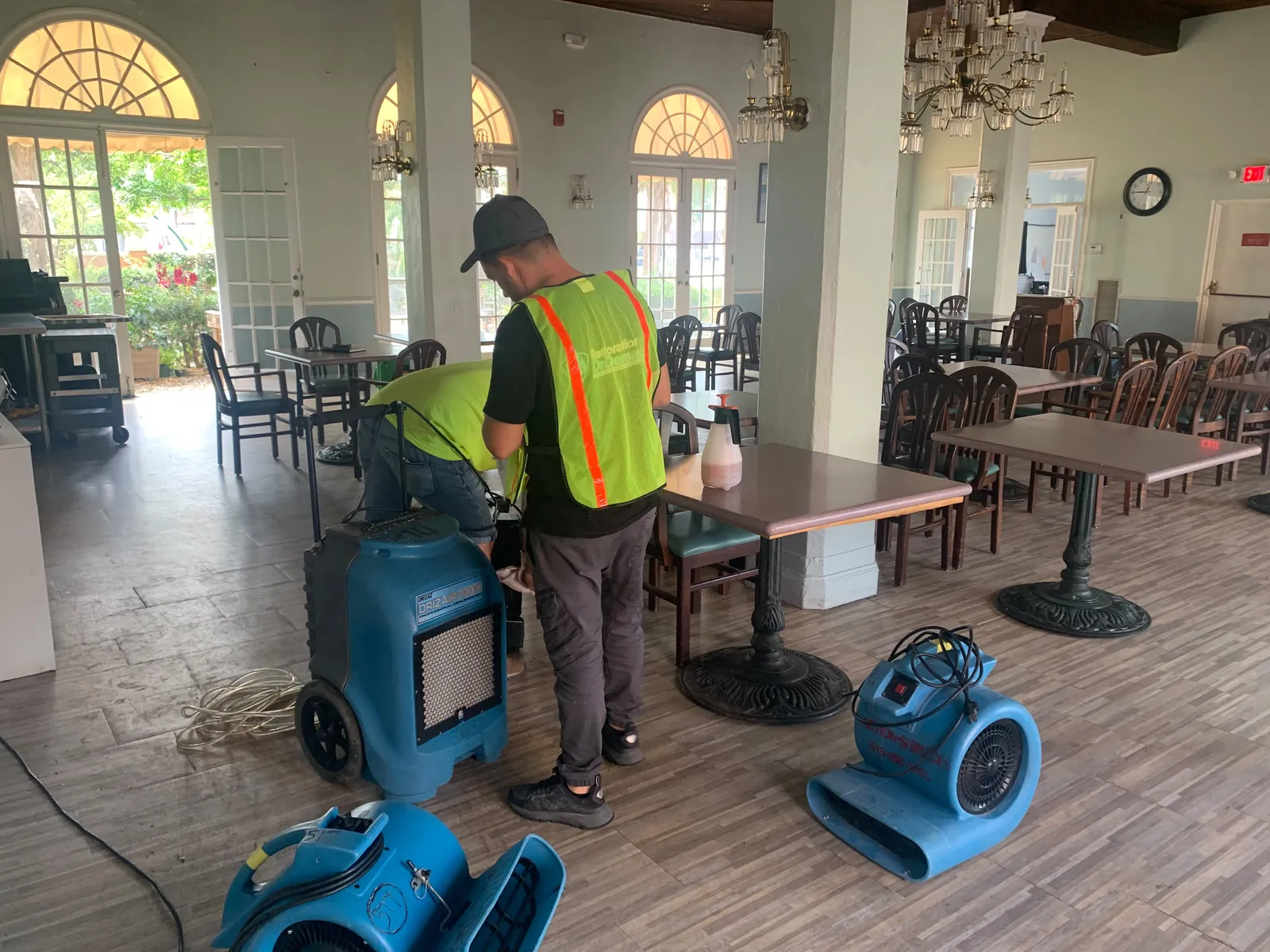
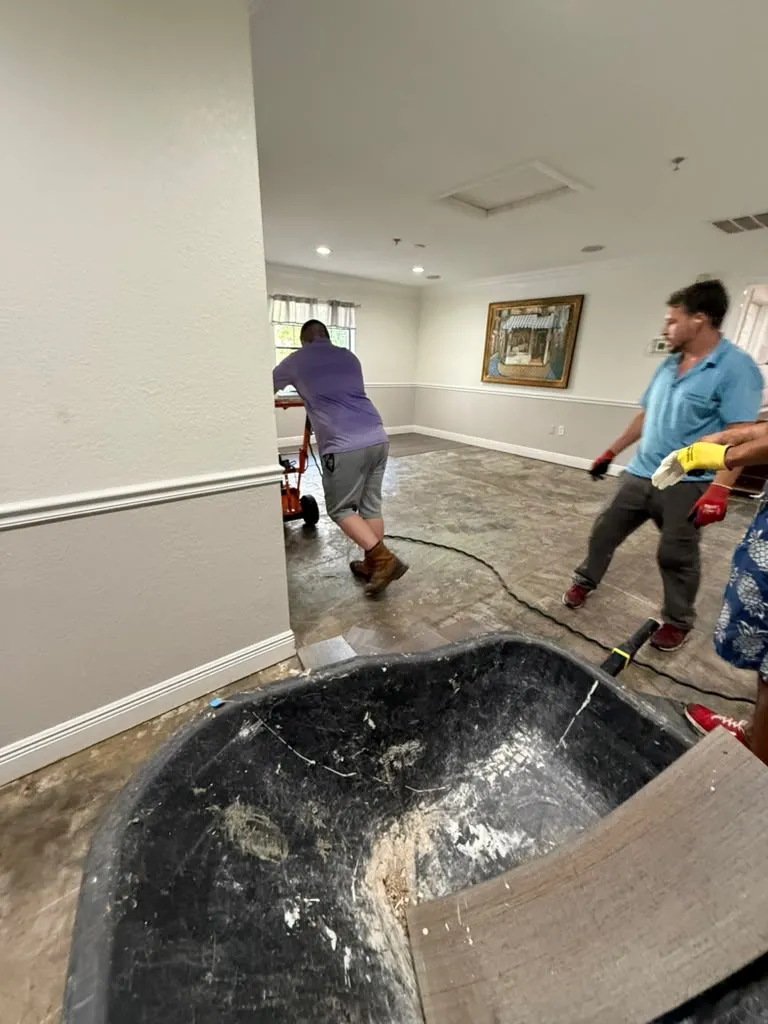
Water damage in Surfside can follow a plumbing leak, failed appliance or water heater, AC condensate overflow, roof opening or storm-related entry. Conditions vary by property and building; check the specific source and affected materials rather than assuming the same exposure across the city.
Water damage incidents in Surfside, such as appliance failures or roof penetrations, demand a focused assessment of the affected materials rather than a reliance on general assumptions about local properties. The age and style of your home, such as those found in the Collins Avenue Historic District, may present different requirements for structural drying compared to modern buildings. Callers should identify the specific leak source and any unique construction materials involved, as this information allows for a more accurate approach to water extraction and mitigation.
The Collins Avenue Historic District, located near 90th Street, is identified in the county’s historic-resource guide and features distinct Streamline Moderne and Miami Modern architecture. Residents in this specific district should be aware that their building's historic character might influence restoration and interior repair decisions. It is important to note that this context is limited only to that district. If your property is outside this area, your building's maintenance and restoration needs should be evaluated on its own individual merits rather than by assuming the characteristics of a historic district.
Managing smoke and soot damage effectively requires a clear understanding of the affected surfaces. Because smoke particles can impact various materials differently, assessing the extent of the damage is necessary before any cleaning starts. Homeowners should be prepared to discuss the specific surfaces involved, as improper cleanup can lead to staining or permanent material degradation. The speed and quality of the response depend on these details, which are unique to every incident in a coastal environment like Surfside.
Successful restoration of a property involves consistent documentation and a clear plan for drying or repair work. When working through the restoration process, ensure that all actions taken are grounded in the specific conditions of your home. By avoiding assumptions based on city-wide trends and focusing on the actual damage at your property, you facilitate a more efficient recovery. Whether handling water or smoke, the key is to address the unique needs of your specific address to restore it to its prior state.
Verified local context
Miami-Dade County’s historic-resource guide locates the Collins Avenue Historic District near 90th Street in Surfside and describes Streamline Moderne and Miami Modern buildings there. This context is limited to that district.
Historic district named in the County’s guide
- Collins Avenue Historic District
This city guide is for general awareness. The visible symptom alone cannot identify a leak source, hidden damage or insurance coverage. Restoration On Demand serves properties throughout Surfside and nearby areas in Miami-Dade County.
Service-area reference: Miami-Dade County’s official municipality directory. It confirms the municipality and county, not conditions at a specific property.