A small drip can stay hidden in a cabinet or wall until a stain, odor or warped finish appears. These visual checks cover common trouble spots in houses, condos and businesses. They help you notice moisture early; they are not a mold test or a substitute for a professional inspection.
Under kitchen and bathroom sinks
Look at the cabinet floor, back corners and the visible supply lines and drain connections. After using the faucet, check for new droplets or a damp cabinet base. Keep stored items clear long enough to notice a slow leak.
Bathrooms, tubs and laundry
Check around toilet supply connections, the toilet base, tub or shower edges, and accessible washer hoses. Peeling paint or a soft baseboard near a bathroom—or a ceiling mark below an upstairs bath—can be a clue that water is getting where it should not.
Garages and utility areas
Visually inspect accessible water-heater connections, laundry areas, exposed pipes and the wall or ceiling after heavy rain. Do not touch wet electrical equipment or enter standing water if electrical safety is uncertain.
Walls, ceilings and living spaces
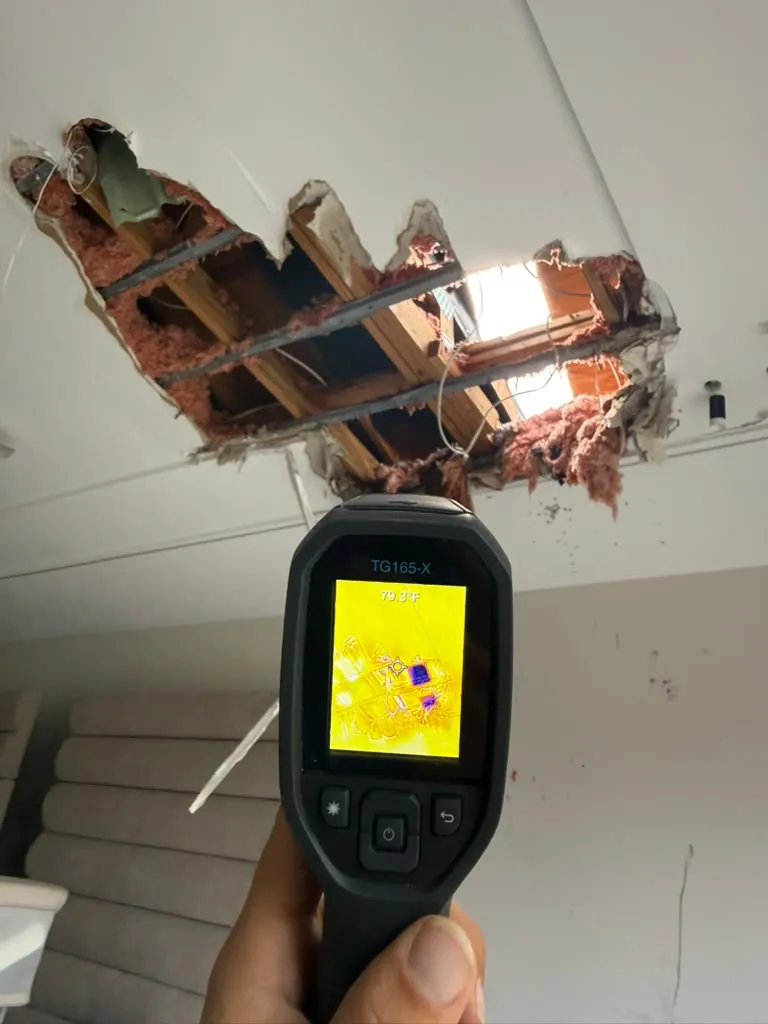
Watch for a new or spreading stain, bubbling or peeling paint, swollen trim, lifted flooring, or a persistent musty odor. These signs can indicate moisture, but they do not identify its source or prove that mold is present.
Local property considerations in Miami
The local context below is not a diagnosis of any building. Make observations only from a safe, dry location; never enter floodwater or disturb suspected mold to document damage.
High-rise leaks travel between units, and low-lying neighborhoods flood on heavy rain days and during king tides.
Miami is a sprawling metropolis characterized by a diverse range of residential architecture, spanning from modern high-rise condominiums in areas like Brickell and Edgewater to historic bungalows found in neighborhoods such as Coconut Grove and Morningside. Given this variety, the specific challenges related to water or smoke remediation vary significantly by property type. For those living in high-rise buildings, a common consideration is the potential for leaks to travel between units, which can cause secondary effects to floors and ceilings far from the initial point of failure. Early observation and coordination with neighbors or building management are helpful steps.
In lower-lying neighborhoods such as Little Havana, the risk of street-level flooding during king tides or periods of heavy rain is a factor that residents may monitor. This surface water can occasionally impact ground-level walls and foundations. When documenting water-related concerns in these locations, it is helpful to identify the affected areas, such as the height of the water line and any signs of moisture migration behind baseboards or within cabinetry. This assists in evaluating whether moisture has reached the structural components of the residence, which is useful for planning a professional drying strategy.
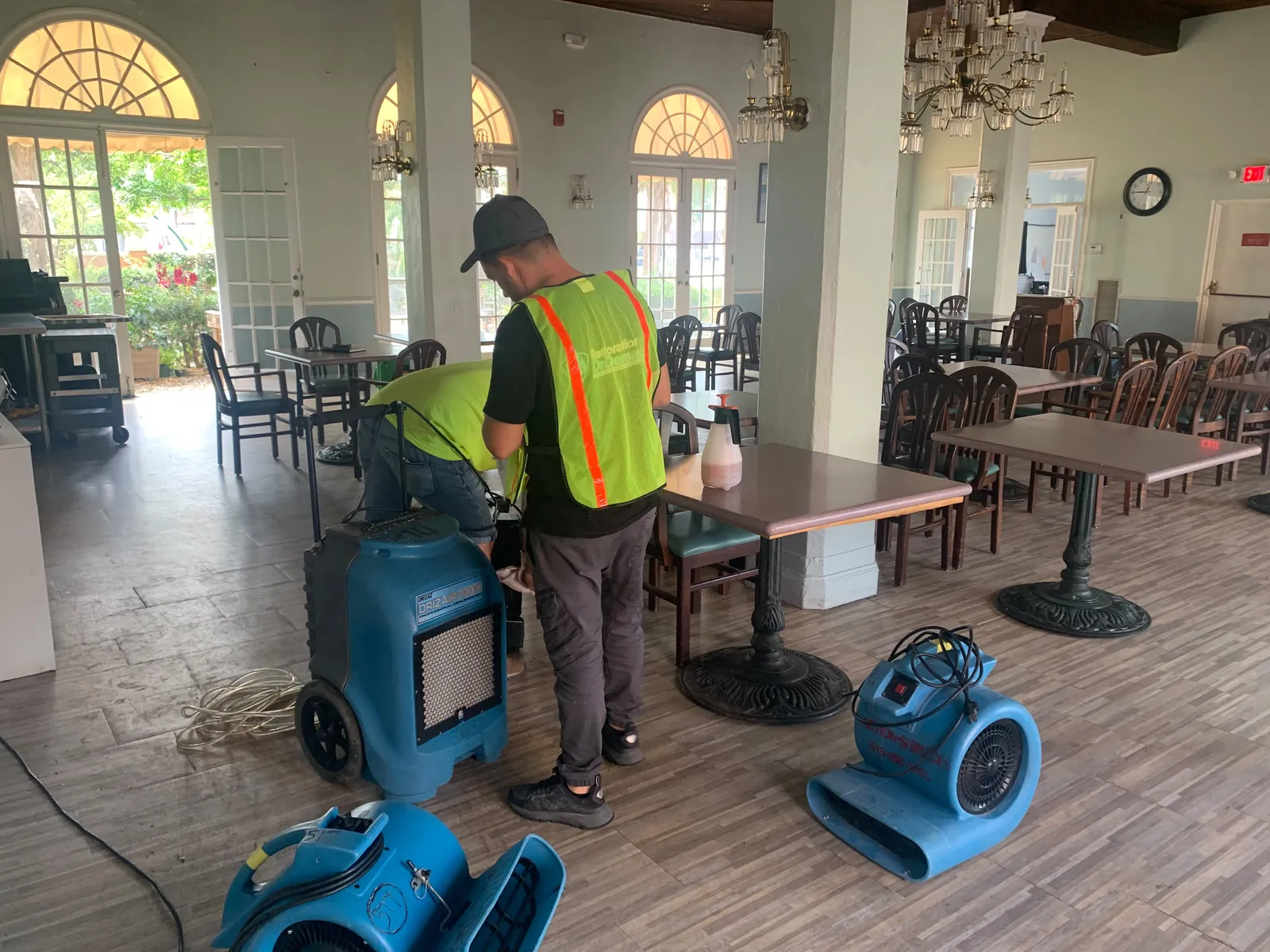
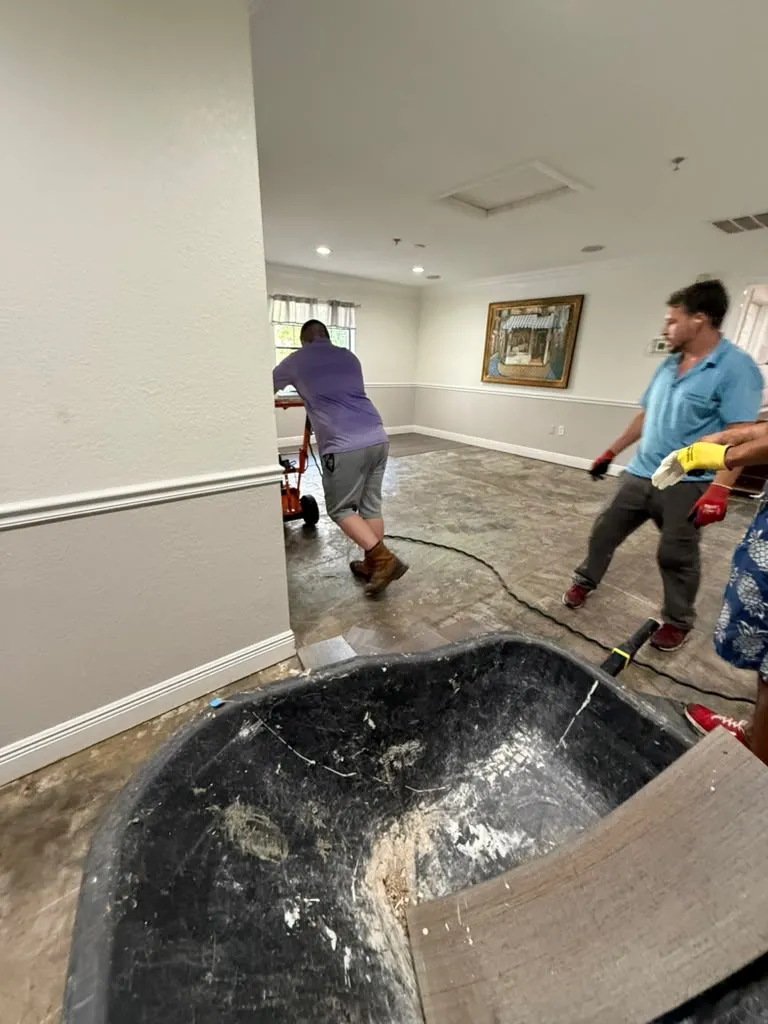
Cleanup and structural drying efforts should be tailored to the specific construction style of your property. For older block homes, moisture may be trapped within wall cavities, which might require specific equipment to address effectively. In contrast, modern high-rise units require careful attention to air circulation between floors to prevent moisture from settling in enclosed spaces after a pipe issue. Always ensure that any documentation of your situation includes a detailed account of which specific rooms or structural elements were exposed to moisture, as this provides a guide for effective remediation.
When planning for restoration or repairs in Miami, it is helpful to consider local environmental factors such as high humidity and the potential for repetitive flooding. If you are addressing moisture, the goal is to stabilize the indoor air quality through professional, controlled drying techniques. By focusing on identifying the exact path water may have taken to reach your living space, you can guide restoration efforts more effectively, ensuring that moisture is not trapped in floor systems or wall cavities, regardless of whether your home is a modern condominium or a historic bungalow.
This city guide is for general awareness. The visible symptom alone cannot identify a leak source, hidden damage or insurance coverage. Restoration On Demand serves Brickell, Coconut Grove, Little Havana, Edgewater, Morningside and nearby areas in Miami-Dade County.
Service-area reference: Miami-Dade County’s official municipality directory. It confirms the municipality and county, not conditions at a specific property.