A small drip can stay hidden in a cabinet or wall until a stain, odor or warped finish appears. These visual checks cover common trouble spots in houses, condos and businesses. They help you notice moisture early; they are not a mold test or a substitute for a professional inspection.
Under kitchen and bathroom sinks
Look at the cabinet floor, back corners and the visible supply lines and drain connections. After using the faucet, check for new droplets or a damp cabinet base. Keep stored items clear long enough to notice a slow leak.
Bathrooms, tubs and laundry
Check around toilet supply connections, the toilet base, tub or shower edges, and accessible washer hoses. Peeling paint or a soft baseboard near a bathroom—or a ceiling mark below an upstairs bath—can be a clue that water is getting where it should not.
Garages and utility areas
Visually inspect accessible water-heater connections, laundry areas, exposed pipes and the wall or ceiling after heavy rain. Do not touch wet electrical equipment or enter standing water if electrical safety is uncertain.
Walls, ceilings and living spaces
Watch for a new or spreading stain, bubbling or peeling paint, swollen trim, lifted flooring, or a persistent musty odor. These signs can indicate moisture, but they do not identify its source or prove that mold is present.
Local property considerations in Plantation
The local context below is not a diagnosis of any building. Make observations only from a safe, dry location; never enter floodwater or disturb suspected mold to document damage.
Large trees drop limbs onto roofs in storms, and homes from the 1960s and 70s have original supply lines that fail.
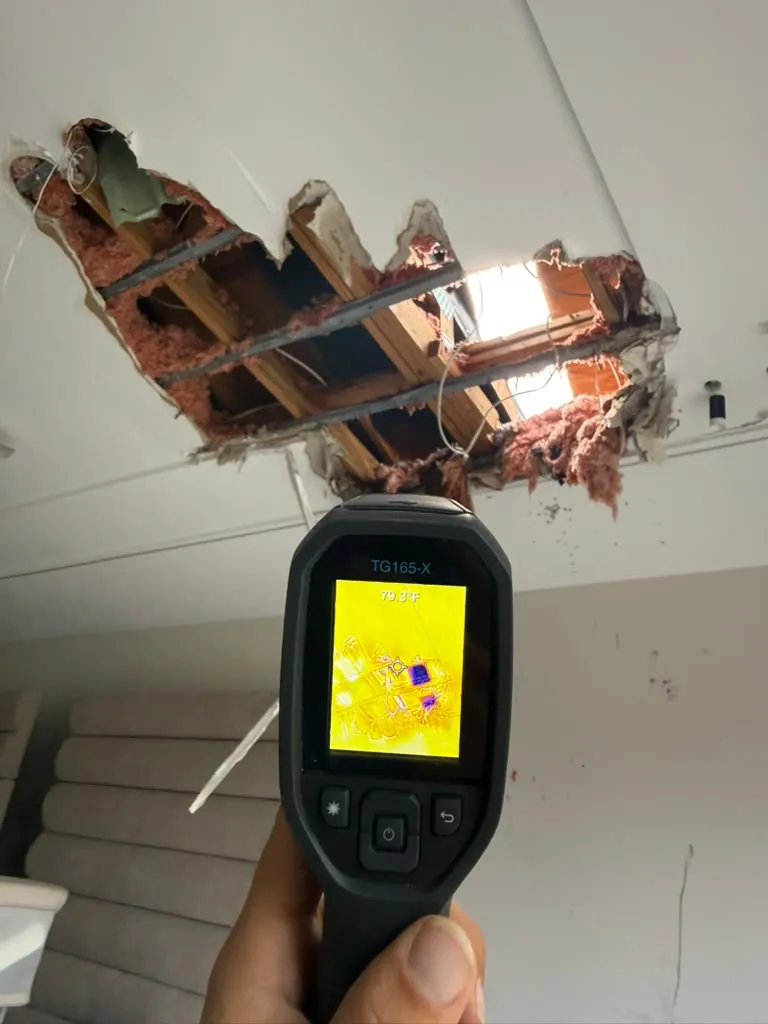
Plantation is characterized by its established neighborhoods and mature landscaping. These trees are an attractive feature but can pose a risk to residential properties during storms, as heavy limbs may fall and impact the roof. If you experience a roof-related water intrusion, it is prudent to document the point of entry if it is visible. Knowing the location of a puncture or structural failure allows professionals to address the damage more effectively and provides the necessary context for planning the drying and restoration of the affected interior spaces.
In addition to storm-related concerns, homes in Plantation built during the 1960s and 1970s may have original plumbing supply lines. These older pipes are prone to age-related failure, which can manifest as leaks that are difficult to locate until they affect flooring or baseboards. If you suspect an internal plumbing failure, record any instances of rising dampness or water accumulation. Because these lines are aged, documenting the precise area of impact is beneficial, as it helps specialists identify the source quickly and initiate drying before secondary damage can occur.
Coordinating cleanup services in areas such as Plantation Acres or Jacaranda requires clear communication regarding your property's layout. Given the dense landscaping in many Plantation neighborhoods, ensure you provide details on the best path for professional equipment to enter the site. Documenting the damage thoroughly through photographs and notes—including how the moisture has traveled—is a critical step for an effective restoration. By providing this information upfront, you help streamline the assessment process and facilitate a targeted effort to mitigate the moisture issues.
interior repair in Plantation should focus on both the visible effects of water and any hidden moisture that may be trapped in wall cavities or subfloors. For homes built in the 60s and 70s, the construction materials may require specific drying techniques. When you work with a restoration specialist, sharing the age of the structure and any history of repairs is helpful. This context assists experts in determining the most effective methods for drying and repair work, ensuring that your home's structure is preserved and that the living environment is managed appropriately.
This city guide is for general awareness. The visible symptom alone cannot identify a leak source, hidden damage or insurance coverage. Restoration On Demand serves Plantation Acres, Jacaranda, Central Plantation, Plantation Isles area and nearby areas in Broward County.
Service-area reference: Broward County’s official municipality directory. It confirms the municipality and county, not conditions at a specific property.