A small drip can stay hidden in a cabinet or wall until a stain, odor or warped finish appears. These visual checks cover common trouble spots in houses, condos and businesses. They help you notice moisture early; they are not a mold test or a substitute for a professional inspection.
Under kitchen and bathroom sinks
Look at the cabinet floor, back corners and the visible supply lines and drain connections. After using the faucet, check for new droplets or a damp cabinet base. Keep stored items clear long enough to notice a slow leak.
Bathrooms, tubs and laundry
Check around toilet supply connections, the toilet base, tub or shower edges, and accessible washer hoses. Peeling paint or a soft baseboard near a bathroom—or a ceiling mark below an upstairs bath—can be a clue that water is getting where it should not.
Garages and utility areas
Visually inspect accessible water-heater connections, laundry areas, exposed pipes and the wall or ceiling after heavy rain. Do not touch wet electrical equipment or enter standing water if electrical safety is uncertain.
Walls, ceilings and living spaces
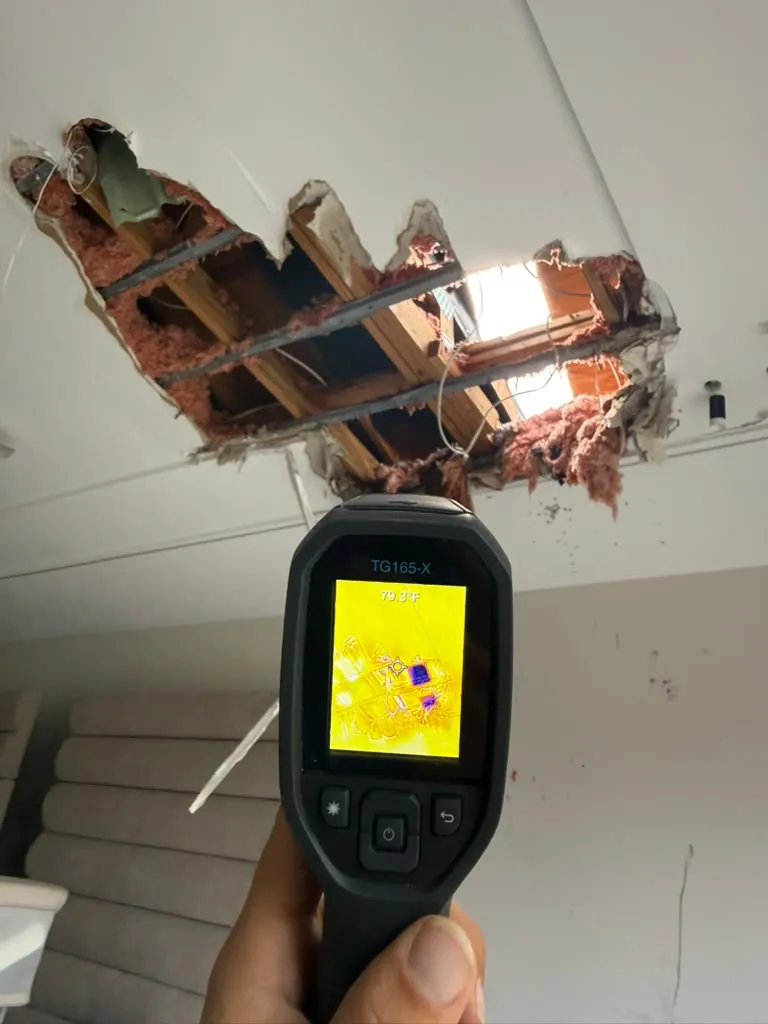
Watch for a new or spreading stain, bubbling or peeling paint, swollen trim, lifted flooring, or a persistent musty odor. These signs can indicate moisture, but they do not identify its source or prove that mold is present.
Local property considerations in Miramar
The local context below is not a diagnosis of any building. Make observations only from a safe, dry location; never enter floodwater or disturb suspected mold to document damage.
Slab-on-grade construction hides leaks under floors, and shared walls in townhomes mean one unit leak becomes two.
Miramar is characterized by newer planned communities and townhomes. A notable structural feature of these homes is slab-on-grade construction, which can complicate water leak detection. Because plumbing lines are often located beneath the floor, a leak can stay hidden for an extended period, only becoming apparent when it causes flooring to warp or moisture to reach the surface. Homeowners should remain observant for signs of unusual dampness along the baseboards, as early documentation of these subtle cues is essential for locating the source of the issue beneath the slab.
In townhome settings like those found in Sunset Lakes or Riviera Isles, the situation is sometimes complicated by shared walls. If a leak occurs in one unit, it may migrate into the neighboring residence, turning a single-home issue into a multi-unit concern. When you notice moisture appearing on a shared wall, it is important to determine the source of the water as soon as possible. Providing documentation of the moisture's location—specifically if it appears on a shared partition—allows for a more coordinated response, helping to contain the damage before it affects more rooms.
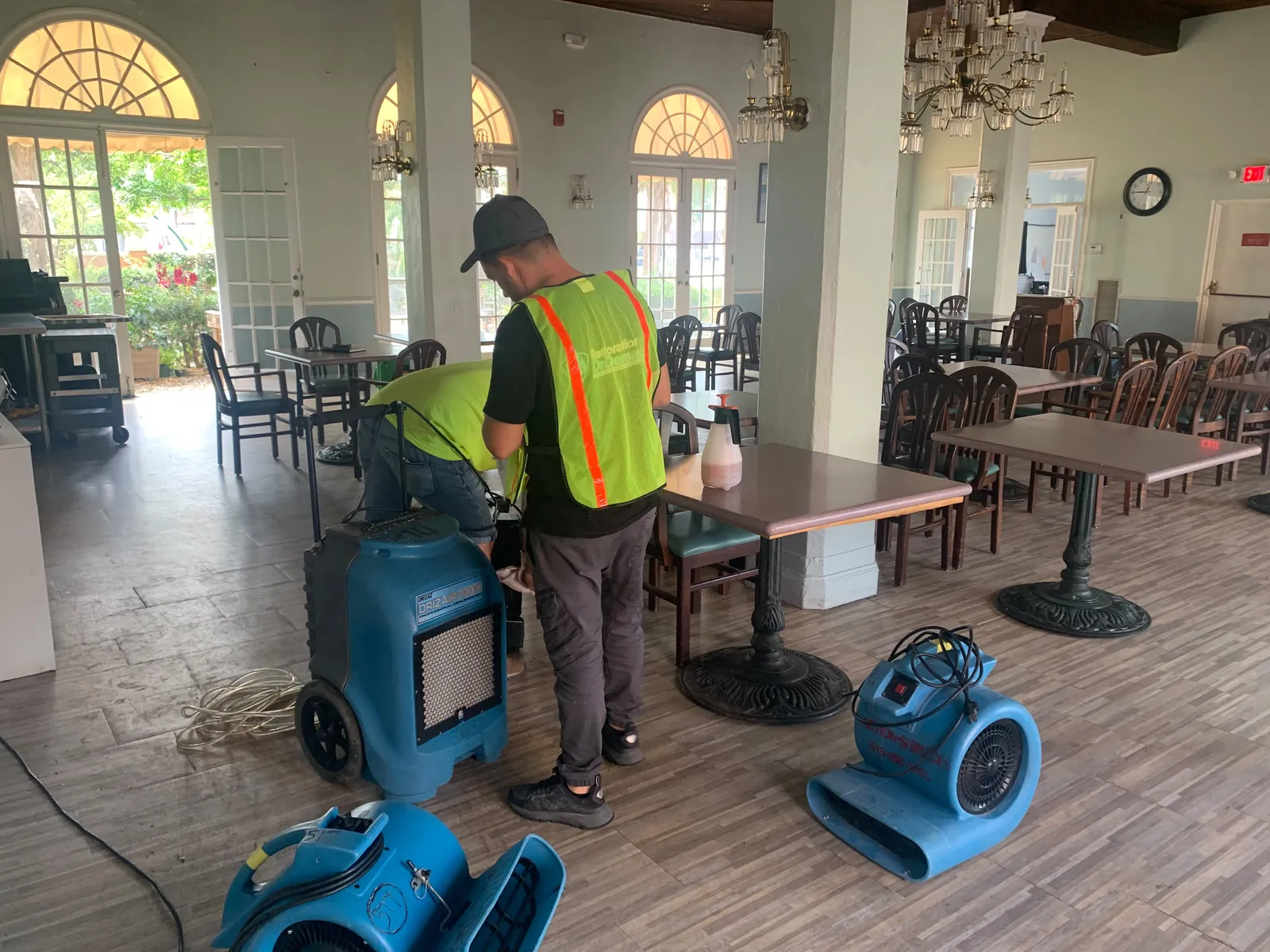
When dealing with cleanup or restoration in Miramar, ensuring clear site access is essential for successful remediation. Because many townhomes are closely packed, the logistics of bringing in large drying equipment should be considered. When discussing your situation with a professional, be sure to describe any access restrictions or specific entry points for your property. Additionally, maintain a detailed record of the damage as it evolves, as this will help the team understand the full scope of the moisture movement and ensure that every affected area is addressed during the drying phase.
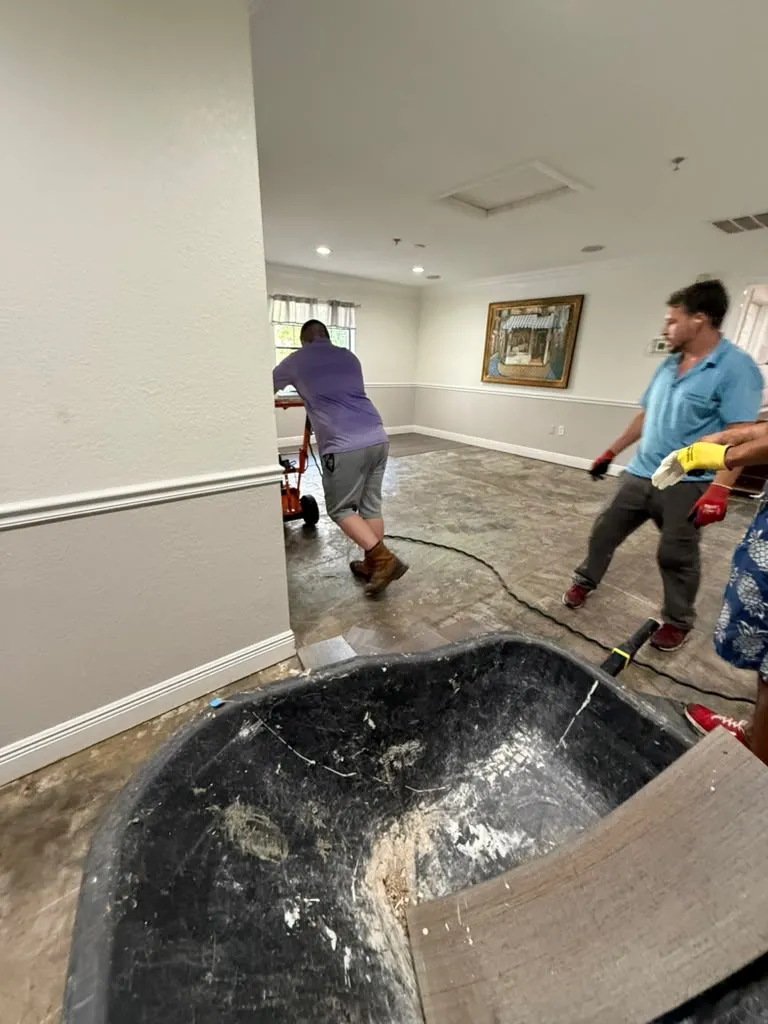
Restoration and interior repair projects in Miramar require a focus on thorough drying, especially when dealing with moisture that has migrated through shared walls or into subfloors. When speaking with your restoration team, provide as much detail as possible about the specific location of the leak and any materials, such as laminates or tile, that are affected. By providing this information, you help the experts select the right tools for moisture extraction and drying, ensuring your townhome or residence is fully restored and that your living space is protected from future issues.
This city guide is for general awareness. The visible symptom alone cannot identify a leak source, hidden damage or insurance coverage. Restoration On Demand serves Silver Shores, Sunset Lakes, Riviera Isles and nearby areas in Broward County.
Service-area reference: Broward County’s official municipality directory. It confirms the municipality and county, not conditions at a specific property.