A small drip can stay hidden in a cabinet or wall until a stain, odor or warped finish appears. These visual checks cover common trouble spots in houses, condos and businesses. They help you notice moisture early; they are not a mold test or a substitute for a professional inspection.
Under kitchen and bathroom sinks
Look at the cabinet floor, back corners and the visible supply lines and drain connections. After using the faucet, check for new droplets or a damp cabinet base. Keep stored items clear long enough to notice a slow leak.
Bathrooms, tubs and laundry
Check around toilet supply connections, the toilet base, tub or shower edges, and accessible washer hoses. Peeling paint or a soft baseboard near a bathroom—or a ceiling mark below an upstairs bath—can be a clue that water is getting where it should not.
Garages and utility areas
Visually inspect accessible water-heater connections, laundry areas, exposed pipes and the wall or ceiling after heavy rain. Do not touch wet electrical equipment or enter standing water if electrical safety is uncertain.
Walls, ceilings and living spaces
Watch for a new or spreading stain, bubbling or peeling paint, swollen trim, lifted flooring, or a persistent musty odor. These signs can indicate moisture, but they do not identify its source or prove that mold is present.
Local property considerations in Wellington
The local context below is not a diagnosis of any building. Make observations only from a safe, dry location; never enter floodwater or disturb suspected mold to document damage.
Water damage in Wellington can follow a plumbing leak, failed appliance or water heater, AC condensate overflow, roof opening or storm-related entry. Conditions vary by property and building; check the specific source and affected materials rather than assuming the same exposure across the city.
Wellington contains specialized land-use patterns, including the Equestrian Preserve Area, which influences the local character but does not determine the restoration requirements for individual properties. When water damage occurs, whether due to an appliance failure or storm-related entry, the focus must remain on the individual structure and its specific material composition. Because building conditions vary throughout the village, property owners should not rely on generalized information but should instead perform a direct assessment of the affected components within their home or facility.
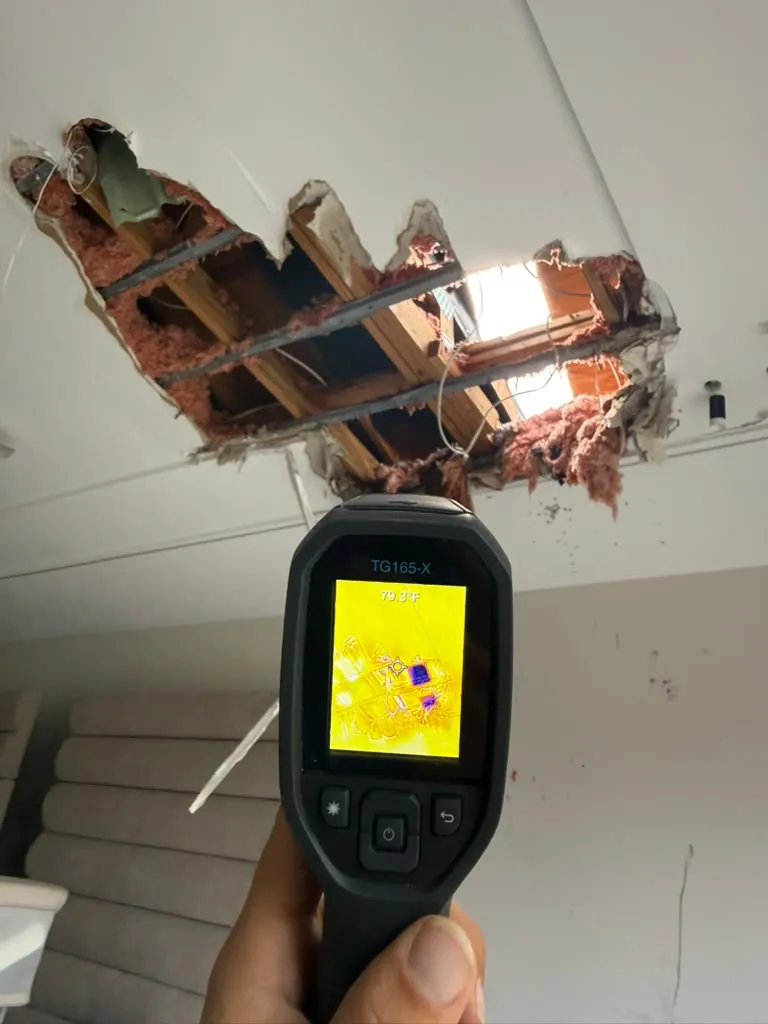
Documentation of a water or smoke event in Wellington is necessary to facilitate a targeted response. Homeowners should track the progress of moisture, noting where it has settled and which areas show signs of saturation. In a village with varied land-use types, the structural requirements for drying can range significantly. By documenting the exact path of the water and identifying the affected materials, owners provide the information needed for professionals to determine the most effective strategy for removing moisture and preventing future issues like mold.
Ensuring safe access to the damaged property is the first step in any Wellington restoration project. Once the area is secured and safe for entry, documentation of all affected surfaces should be the priority. This record will serve as a guide for the restoration team, allowing them to focus their structural drying efforts on the specific parts of the building that require attention. Maintaining this level of detail is key to avoiding unnecessary labor and ensuring that the restoration is both thorough and cost-effective for the property owner.
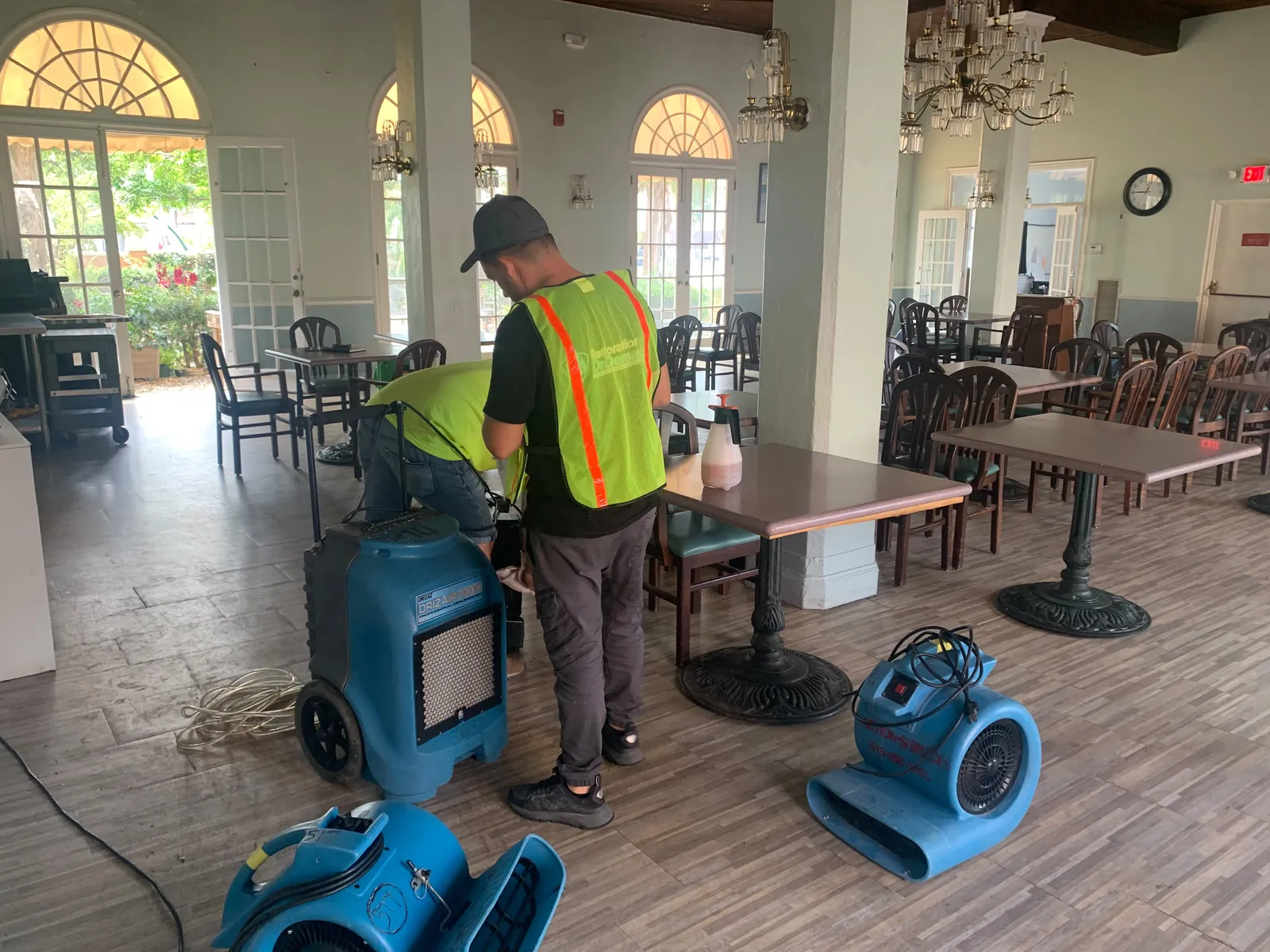
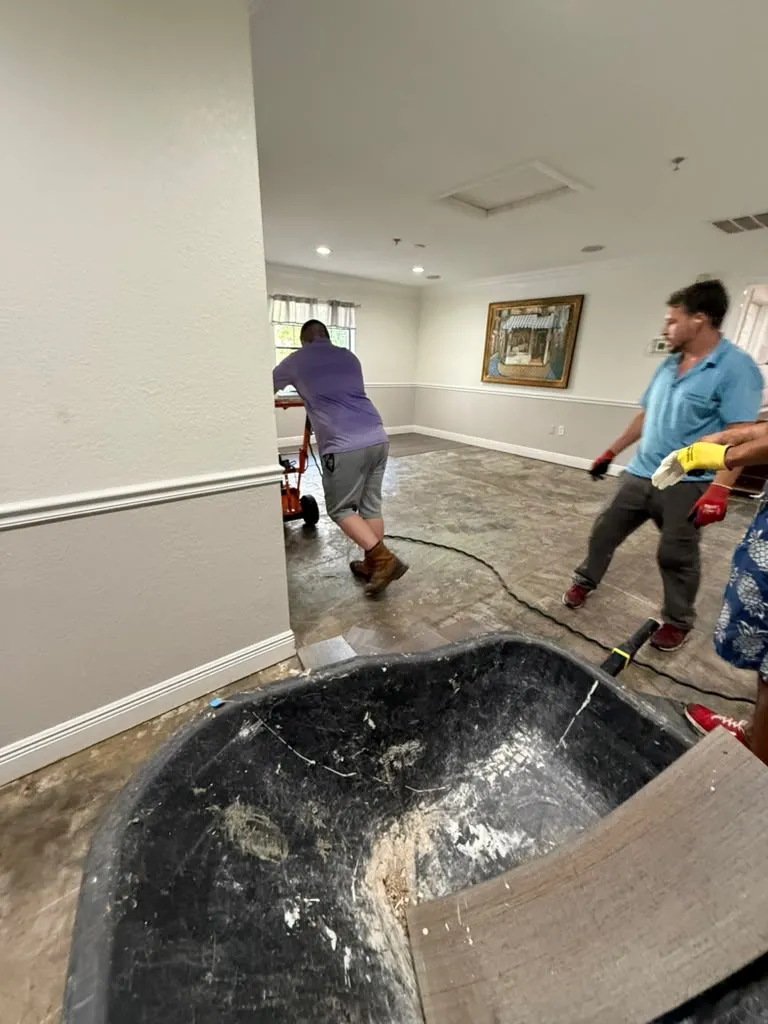
interior repair after a water or smoke event must be based on a complete drying phase that addresses the building's unique requirements. Restoration On Demand applies this principle to all properties in Wellington, acknowledging that each building's response to damage is unique. By focusing on the removal of compromised materials and the thorough drying of the structure, owners can ensure that their repairs are high-quality and sustainable. This approach avoids the pitfalls of generic remediation and ensures that the home or business is returned to a safe, fully functional state.
This city guide is for general awareness. The visible symptom alone cannot identify a leak source, hidden damage or insurance coverage. Restoration On Demand serves properties throughout Wellington and nearby areas in Palm Beach County.
Service-area reference: Palm Beach County’s official municipality directory. It confirms the municipality and county, not conditions at a specific property.